

A currency trader asks whether the dollar will hit some milestone number against the Iranian rial by June 30. The free market rate is already around 1,770,000 rials per dollar - it hit 1.5 million in January, spiked above 1.8 million in April, and has been bouncing around there since. The official rate, a ghost number set by Tehran, sits at 42,000. Neither matters.
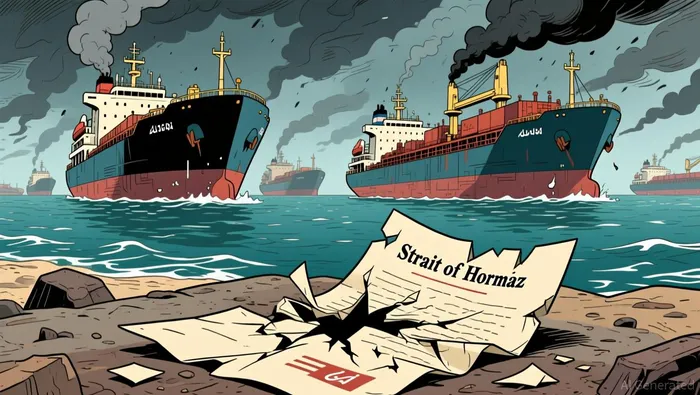
The rial is a symptom, not the story. The story is why the rial is collapsing in the first place: the Strait of Hormuz has been effectively closed since March 4, when the 2026 Iran war began. Approximately 20% of global oil trade passes through that strait. It hasn't reopened. It's been three months.
That's the disconnect nobody is pricing.
Everyone is watching the ceasefire headlines. On April 8, the US and Iran agreed to a two-week truce mediated by Pakistan. By late May, a proposed 60-day ceasefire deal surfaced that would reopen the strait, let Iran freely sell oil again, and hold talks. Then on June 7-8, the ceasefire faltered - Israel and Iran traded what Al Jazeera called the "worst strikes in months". The dollar eased briefly as both sides agreed to halt strikes, but the strait remains closed. The ceasefire apparatus is brittle, not broken, and the supply disruption persists.
Now look at the stocks.
Exxon Mobil reported Q1 2026 earnings of $4.2 billion ($1.00 per share, beating estimates), on revenue of $85.1 billion. WTI was trading around $101 per barrel at the time. The stock sits at approximately $151, with a forward P/E of roughly 12x. Exxon also bought back $5 billion in shares this quarter. Occidental Petroleum trades around $57 at 14x trailing earnings, with a $56 billion market cap.
These are not distressed valuations. They are war-premium earnings at peacetime multiples.
Here's what the market is misreading:
1. The disruption is structural, not temporary. The market keeps pricing in a ceasefire resolution because that's the headline every few weeks. But three months of Hormuz closure with multiple failed truces is a different reality than the "temporary disruption" the models assumed. A Brookings analysis from May noted that "the supply shortfall will build in coming months as temporary buffers are depleted." The strategic petroleum reserve is not a permanent fix.
2. The earnings are real, not speculative. Exxon beat estimates in Q1. Revenue grew. This isn't a forward projection based on hope - it's contracted cash flow from a supply-constrained market. When WTI sits above $100 and Brent above $120, producers print. The math is mechanical.
3. The multiple doesn't reflect persistence. At 12x forward earnings, Exxon is priced as if the high-price environment will eventually normalize - it already is - but not as if it will persist for quarters, not months. If the ceasefire stays brittle and the strait stays closed through year-end, that multiple doesn't reflect the earnings power.
The break condition: A durable ceasefire that reopens the Strait of Hormuz. That's the single variable that changes everything - oil prices collapse, the earnings premium evaporates, and these multiples look rich again. Every ceasefire headline should be treated as a risk, not a given. The pattern so far suggests the odds of a clean resolution by June 30 are low.
The rial question is a curiosity. The investment question is whether you believe a three-month Hormuz closure with $100+ WTI is temporary or structural. The market's multiples say temporary. The ceasefire track record says otherwise. That gap - 12x earnings on potentially sustained war-era production - is the only number worth tracking.