

The math on your paycheck is getting harder to ignore. For the past year, the headline numbers have looked balanced. Average hourly earnings rose 3.8% over the year, while consumer prices climbed 2.4% in February. On paper, wages were keeping pace. But that's the aggregate story, and it masks a real-world squeeze tightening for most workers.
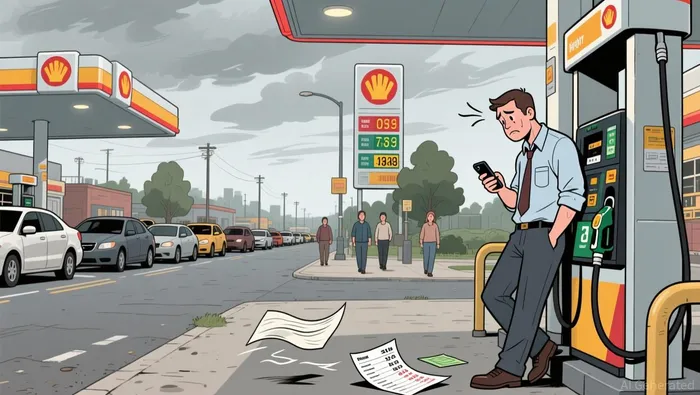
The latest data shows the gap is closing, and not in a good way. Real average hourly earnings-the paycheck adjusted for what it buys-actually decreased 0.6% from February to March. That's a clear sign the cost of living is outpacing pay increases in the here and now. When you look at the broader trend, it's even more telling. Since the start of 2021, wages have grown 21.5% while prices have risen 22.7%, leaving a net loss of purchasing power. For years, many Americans have wondered why their paychecks aren't keeping up. The answer is that for the majority, they haven't.
This isn't a new story. The long-term trend has been one of near-stagnant wage growth for the typical worker, even as inflation has periodically spiked. The recent acceleration in gas prices is just the latest shock making that math worse. Economists now expect inflation to surge higher, while wage growth is seen as stalling. In other words, the hamster wheel is spinning faster, but the payoff is shrinking.
The Energy War: The Real World Smell Test
The primary driver pushing prices higher is a war, not a policy. The conflict in the Middle East has caused a direct shock to energy markets, and the numbers show it clearly. Inflation spiked to 3.3% year over year in March, its highest level since May 2024. That jump was almost entirely due to energy. Prices for gasoline alone surged 18.9% over the year, with the monthly increase in gas prices alone responsible for a 21.2% jump that month. Energy costs overall jumped 12.5%, making it the single biggest contributor to the 0.9% monthly rise in consumer prices.
This is a classic supply shock. The blockade of the Strait of Hormuz has choked off a major oil artery, sending Brent crude prices from around $70 to over $118 per barrel. The result is a direct hit to the consumer's wallet, with the national average for gasoline climbing above $4 per gallon for the first time in more than three years. The war is the clear, immediate cause.
Now, the critical question is whether this pressure is temporary or structural. The evidence points to a shock that will take time to unwind. Even with a two-week ceasefire, economists say the inflationary effects will likely take several weeks or months to unwind. The key number here is the 21.2% monthly surge in gas prices. That's not a one-time pop; it's the direct result of a sustained supply disruption. While oil prices have pulled back from their peak, they remain elevated, meaning the pressure on gas pumps is far from over.
Contrast this with other categories to see the real-world impact. While energy prices are soaring, inflation for shelter held steady at 3%, and used car prices continued to fall. This highlights the specific, violent nature of the energy shock. It's not a broad-based inflationary leak yet, but a targeted hit from a geopolitical event. The risk is that this shock could spread, as economists warn of potential "leakage" into food and other goods if the conflict persists. For now, though, the smell test is clear: the war is the driver, and it's a shock that will likely keep prices elevated for weeks or months to come.
The Worker's Response: More Hours, More Jobs
The squeeze is forcing a practical response. When wages aren't keeping up, people work more. The data shows households are bridging the gap in two ways: by taking on extra hours and by seeking second jobs. For lower-income workers, this is becoming routine. Nearly 19.5% report engaging in regular side work, and more than 40% of them use that income just to cover basic living expenses. This isn't a discretionary hustle; it's a necessity to keep the lights on.
At the same time, the traditional path to a raise-the job change-is losing its luster. The pay premium for switching employers has narrowed to its smallest level since 2020. In January, workers who stayed put saw their pay grow 4.5% year-over-year. That's a stable, if modest, increase. For those who changed jobs, the gain was 6.4%, down from previous highs. The gap between the two groups is now so thin that job-hopping offers little financial upside.
This paints a clear picture of a labor market where both churn and wage growth are easing. The narrowing premium suggests employers are no longer forced to pay a huge premium to lure workers away. It also means the typical worker has fewer tools to fight inflation. The response is to work more, not to get paid more for the same work. For now, the system is holding, but it's a fragile balance. Workers are putting in more hours and taking on extra gigs, but the pay growth that could truly ease the strain is running out of steam.
Catalysts and What to Watch
The trajectory hinges on a few clear catalysts. The primary one is geopolitical. A resolution to the conflict in the Middle East would be the fastest way to unwind the energy shock. That would likely bring oil prices and, by extension, gas prices back down, easing the direct pressure on consumer budgets and inflation. Until then, the elevated energy bill is a structural headwind.
For now, the key real-world signal to watch is the Atlanta Fed's Wage Growth Tracker. It edged up to 3.9 percent in March, showing nominal pay growth is still ticking higher. This is the pulse of the labor market. If it starts to decelerate meaningfully, it would signal workers are losing pricing power and the wage-price spiral is cooling. If it holds or rises, it could keep inflation sticky even if energy prices fall.
But the most telling metric for the typical worker's daily reality is the real average hourly earnings figure. That's the number that shows the actual bite of inflation. It decreased 0.6 percent from February to March. This is the bottom line: even as paychecks grow nominally, the cost of living is outpacing them in the short term. Watch this number in the May 12 release. A repeat of that decline would confirm the squeeze is tightening, not easing. It's the ultimate smell test for whether the hamster wheel is spinning faster with less payoff.