

Let's cut through the jargon. If you're looking at a retirement community, especially one that promises to care for you for life, you need to know this: waitlists are now the norm, and they're getting longer. What used to be a disbelief-ten-year waits-are now common in many areas. One reader recently shared they've been on a waitlist for nearly five years, only to learn the list now stretches past a decade. When they tell people, the reaction is often, "You're kidding, right?" Yet for those who work in the field, that kind of timeline is no longer shocking.
Why does this happen? The simple answer is demand. These communities offer a "continuum of care"-the promise that if you need more help down the road, you don't have to move. You can stay in the same place, in the same community, with the same friends. That peace of mind is worth a lot to seniors planning ahead. It creates intense competition for a limited number of spots, especially at the best-known communities. The result is a long line for a good deal.
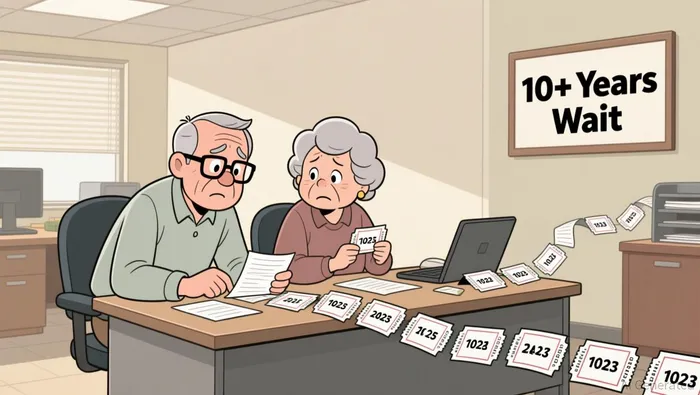
The process itself acts as a filter. To hold a spot, you typically pay a non-refundable deposit. This isn't just a formality; it's a financial commitment that shows serious intent. It's the community's way of managing a waitlist that could require a complete turnover of its entire resident base to move someone up. For the senior, it's a tangible step into a future plan, but it also means they're locking up some of their savings while they wait.
What They're Not Telling You: Hidden Fees and Fine Print
The non-refundable deposit is just the opening bid. Once you're on the list, the real costs often start to add up. Many communities charge hefty monthly service fees that can quickly become a significant part of your budget. These aren't just for amenities; they cover a slice of that promised "continuum of care" and can escalate over time. It's a financial commitment that stretches far beyond the initial hold fee.
Then there's the shaky guarantee of admission. A spot on a waitlist does not lock you in. If you miss a payment deadline or if the community's financial situation shifts, your place can be lost. The community's need to manage cash flow and occupancy means they hold the power. As one reader discovered, their five-year wait turned into a decade-long line, and the community's own turnover rate was cited as a reason for the delay. Your place is only as secure as the community's stability.
Most importantly, the contract's fine print is where the future costs and exit terms are spelled out. This is the document that details how fees can change over the years and what happens if you need to leave the community early. The language is often complex, but it's critical. It will outline any penalties, the process for withdrawing your deposit, and the conditions under which you might be able to get some money back. This is the part that requires a clear head and a careful read, because it defines the real cost and the exit strategy long after the initial excitement of getting on the list has faded.
Your Common-Sense Guide: How to Navigate the Wait
The waitlist reality is clear: spots are scarce, and the line is long. But that doesn't mean you're powerless. Here's how to approach it with your eyes open and your feet on the ground.
First, kick the tires. Even if you're on a waitlist, visit the community in person. Don't just look at brochures. Walk the halls, check the condition of the pool and fitness center, and see how clean and well-maintained the common areas are. Talk to current residents-ask them about their experience, the quality of care, and whether the promised amenities are actually there. This is your chance to smell the air and see the real world utility of the place. A beautiful photo online doesn't tell you if the kitchen is outdated or if the staff is responsive. The physical condition and resident satisfaction are the ultimate product quality check.
Next, ask the hard questions. Get a copy of the contract and read it, even if it's dense. Don't be shy about demanding clarity. Ask for a breakdown of all fees: the monthly service charge, any maintenance fees, and crucially, how future care costs are determined. Will they increase every year? By how much? And most importantly, understand the deposit refund policy. What happens if you need to leave early or if the community's financial situation changes? The fine print is where the real costs and exit terms are spelled out. If the staff can't explain it simply, that's a red flag.
Finally, consider alternatives. If the waitlist for your top choice stretches to a decade, it's time to broaden your search. Look into other communities in the area, even if they're not on your original list. The waitlist for affordable housing is also notoriously long, sometimes reaching 15 years in major cities, but the rules and costs are different. These options might not have the same brand name, but they could offer a faster path to a stable home. The key is to keep your options open and not put all your eggs in one long waitlist basket. As one guide notes, the decision can take months or years, so planning ahead is wise, but it shouldn't blind you to other viable paths.