

The SEC just dropped a bombshell: it's proposing to let companies ditch quarterly earnings reports for good. The plan would end a 55-year-old requirement that U.S. public firms file detailed financial results every three months. In theory, it's about giving companies "increased regulatory flexibility" to choose a semiannual cadence, a move backed by some big banks and executives who say quarterly reporting is a costly burden that fuels short-termism.
But Wall Street's reaction is pure fire. The move is being framed as a direct threat to the "data points" needed for short squeezes and rapid trading. For traders, those quarterly numbers are the lifeblood of momentum plays and event-driven strategies. Less frequent reporting means longer stretches of uncertainty, which could increase volatility and create information asymmetry. As one industry group warned, this could "diminish perceptions of fairness, which can erode trust in markets".
The clash is stark: on one side, long-term corporate efficiency and a push to make going public more attractive. On the other, the short-term trading mechanics that rely on a steady diet of earnings news. This isn't just a regulatory tweak-it's a potential reset of the information flow that powers the market. Watch for the 60-day comment period to become a battleground.
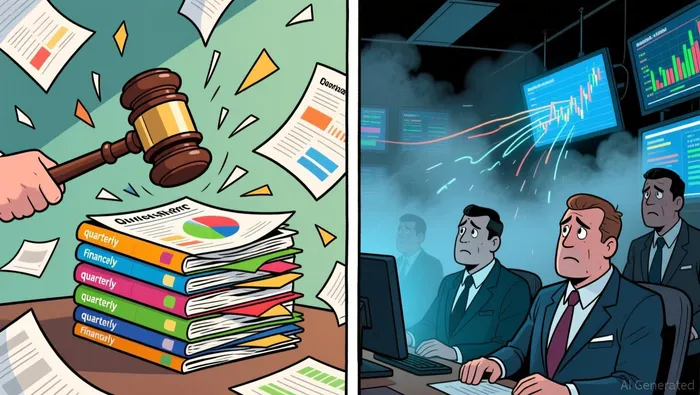
The Alpha Leak: Who Wins, Who Loses, and Why WSB Cares
The SEC's proposal is a direct hit to the trading playbook. For Wall Street's most active players, less frequent reports mean fewer catalysts to time a trade or spot a vulnerable short. The core of the WSB strategy-using event-driven momentum and short squeeze mechanics-relies on a steady stream of quarterly data points. With the option to file just twice a year, those critical "alpha leaks" become rare events. This creates longer stretches of uncertainty, which is volatility fuel. As buy-side firms have warned, the move could increase volatility and harm market transparency, eroding the fairness that keeps the game going.
The beneficiaries are clear. Smaller, capital-intensive firms-like satellite operators or regional airlines-could see a real cost savings. The current system forces them to bear the significant burden of quarterly reporting cycles. By opting for semiannual filings, they gain flexibility and reduce red tape. The rule is optional, but the structure is simple: companies would check a box on their annual Form 10-K to elect the new semiannual cadence. They could still choose to release quarterly numbers via an earnings release, but that would be a voluntary "furnished" update, not a mandatory filed report.
The market risk here is a loss of real-time scrutiny. With fewer mandatory checkpoints, there's a greater potential for earnings management to go unchecked for longer periods. This could hurt long-term investor confidence, even if it helps some companies plan for the future. The tension is stark: the proposal aims to make going public more attractive by reducing corporate friction, but it does so by cutting the information flow that markets rely on for accurate pricing. For WSB, that's a direct attack on the setup they thrive on. Fewer catalysts, more uncertainty, and a potential erosion of the transparency that underpins their high-stakes bets. Watch for the comment period to reveal how deep this divide runs.
Signal vs Noise: Separating the Real Impact from the Hype
The SEC's proposal is a classic case of regulatory signal versus market noise. The headline is dramatic: ending a 55-year-old requirement for quarterly reports. But the real story is in the fine print-and the reaction from the buy-side.
The signal is that this is an optional box-check. Companies can elect semiannual reporting by simply ticking a box on their annual Form 10-K. For now, the change is a choice, not a mandate. The noise is the SEC's framing of this as pure "flexibility" to make going public more attractive. That narrative downplays the clear cost: buy-side firms have warned that less-frequent reporting could harm market transparency and increase volatility. The risk is information asymmetry, where some investors have better data than others between the twice-yearly filings.
So what actually matters for investors? First, watch which companies signal intent to opt in. Smaller, capital-intensive firms are the most likely beneficiaries, as they bear the heaviest burden of quarterly reporting. Their adoption would set a precedent and could pressure larger peers to follow. Second, monitor how major indices adjust. The S&P 500 has quarterly reporting rules; if many constituents switch, index providers will need to revise their methodologies, which could trigger a wave of reclassification and trading.
The bottom line: the proposal's real alpha leak isn't about the change itself, but about who embraces it first. The option is there, but the market's reaction will tell you where the real pressure points are. Watch the box-checkers and the index rebalancers. That's where the next move in this regulatory game will be made.
Catalysts & What to Watch: The Path to Implementation
The proposal is live, but the real action starts now. The SEC has opened a 60-day comment period for the public to weigh in. This is the first major catalyst. Wall Street's furious reaction is already flooding the agency. The outcome hinges on whether buy-side firms, index providers, and investor groups can make their case loud enough to counter the "Make IPOs Great Again" narrative. Watch for a deluge of formal comments arguing that less-frequent reporting harms transparency and increases volatility.
The next key event is the SEC's final decision. The agency has said it will consider the feedback and is expected to make a call later this year. This is the make-or-break moment. The proposal is optional, but the structure is simple: a company just checks a box on its annual Form 10-K to elect the new semiannual cadence. The ease of adoption is a double-edged sword-it lowers the barrier to change, which could accelerate the trend toward less frequent reporting.
Then comes the domino effect. Watch for index provider rule changes. The S&P 500 has quarterly reporting rules; if many constituents switch, index methodologies will need to be revised. This could trigger a wave of reclassification and trading, forcing other companies to maintain quarterly reporting for comparability. Peer pressure is real. As one SEC official noted, companies will weigh peer comparability, analyst requests, and investor expectations when deciding.
The ultimate risk is normalization. An optional change can still shift the default. If enough smaller, capital-intensive firms adopt semiannual reporting, it could become the new norm, accelerating the trend toward short-termism that the SEC claims to be fighting. The bottom line: the 60-day comment period is the battleground. The box-checking option is the mechanism. The warning from buy-side firms about increased volatility is the signal that this could be more than a minor tweak. Watch for the first company to check the box-and the index provider that follows. That's where the real alpha leak will be.