

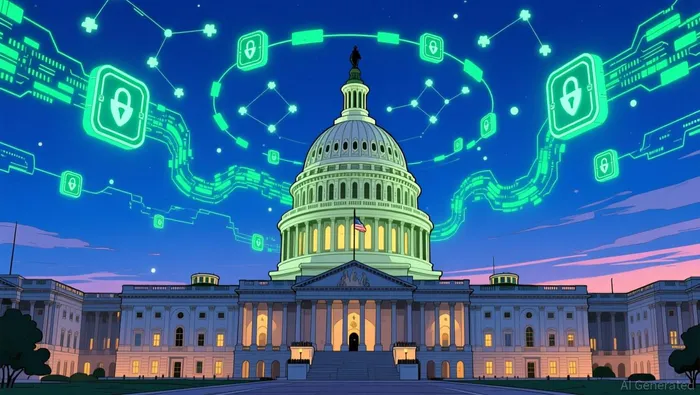
The Senate Banking Committee is scheduled to vote on the Digital Asset Market Clarity Act on May 14. This markup marks the first formal committee vote on the legislation after nearly a year of delays.
The bill passed the House in July 2025 with bipartisan support. It aims to establish a comprehensive regulatory framework for digital assets by clarifying jurisdiction between the Securities and Exchange Commission and the Commodity Futures Trading Commission.
The legislation faces immediate headwinds from banking lobbyists opposing stablecoin yield restrictions. Democrats are also demanding stricter ethics provisions before withholding support.
Why Is The Senate Voting Now?
The Senate Banking Committee has scheduled a markup for May 14 to address the jurisdictional disputes between federal regulators. The bill passed the House with a vote of 294 to 134. Lawmakers warn that failing to clear the committee before the Memorial Day recess could delay the bill until 2030.
The White House has targeted July 4, 2026, for a presidential signature. Treasury Secretary Scott Bessent and SEC Chair Paul Atkins have publicly urged Congress to finalize the law.
They argue that regulatory clarity is a national security issue. They warn that without action, blockchain development will migrate to offshore jurisdictions like Singapore and Abu Dhabi.
What Are The Key Regulatory Provisions?
Under the proposed framework, the CFTC would hold exclusive jurisdiction over spot markets for digital commodities. These are assets linked to decentralized blockchains. The SEC retains authority over investment contracts.
Stablecoins are designated as a separate category under shared oversight. The Senate version of the bill expands the original House text to nine titles.
The expanded legislation includes provisions for decentralized finance safeguards. It also adds illicit finance rules and bankruptcy protections for crypto customers.
Safe harbors for blockchain software developers are also included. These provisions aim to provide developers with clearer guidance on registration and compliance.
How Is The Market Reacting?
Investors view the Senate vote as a critical catalyst for institutional crypto adoption. Market sentiment is heavily dependent on the bill's passage without delay.
A clean passage is viewed by analysts as a historic breakthrough. It could accelerate exchange-traded fund growth and strengthen banking integration.
Any delay or political division could exert short-term bearish pressure on crypto markets. Prediction markets currently place approximately 76 percent odds on the bill becoming law in 2026.
This reflects cautious optimism despite the complex political calendar. There is a risk of procedural resets if the bill fails to clear the committee before the recess.
Who Are The Key Opponents?
Banking groups are engaging in a last-ditch effort to oppose provisions that prohibit crypto companies from offering rewards on idle stablecoin holdings. They argue such restrictions could trigger a flight of deposits from the insured banking system.
Several Democrats are threatening to withhold support unless the bill includes ethics provisions. These provisions would ban public officials from profiting from crypto holdings.
Senator Thom Tillis is pushing for ethics provisions that may indirectly impact the political landscape. The President's digital asset exposure is a relevant factor in these negotiations.
Advocacy group Stand With Crypto announced it will score recorded votes from Senate Banking Committee members. The group represents over 2.9 million U.S. advocates.
Public opinion polling released on May 7 shows 52 percent support for the act among voters who reviewed a summary. Seventy percent believe the U.S. already needs clear crypto legislation.
What Is The Path Forward?
The bill must overcome banking-industry backlash and Democratic demands for stronger consumer protections. It must also include anti-money laundering measures and conflict-of-interest rules.
A stablecoin-rewards compromise has eased some disputes. This compromise allows activity-based rewards while banning passive yield on idle balances.
However, significant hurdles remain. Language regarding decentralized finance oversight and full Republican committee support are still being negotiated.
Grayscale Investments views the CLARITY Act as a critical transition from enforcement-driven regulation to a formal rulemaking framework. This shift addresses regulatory friction that has deterred tens of billions of dollars in investment.
The bill aims to provide developers, investors, exchanges, and custodians with clearer guidance. Regulators would operate within a defined structure rather than relying on fragmented enforcement decisions.