

Senate calendar placement moves the bill closer to consideration
A calendar slot is not a victory. But it does change the setup.
As of June 1, 2026, the market clarity bill is on the Senate Legislative Calendar, meaning it is formally in line for full Senate consideration even though leadership has not yet set a floor date. That gap is where the debate sits. Bulls see a real shift because the measure already cleared the Senate Banking Committee with a 15-to-9 bipartisan vote. Bears will argue that calendar placement matters only after Washington schedules actual action.
The broader point is that delay is not neutral. When the timeline is unclear, capital tends to stay smaller, shorter-duration, or outside the asset class altogether. That is why this step matters even if it is not the final win.
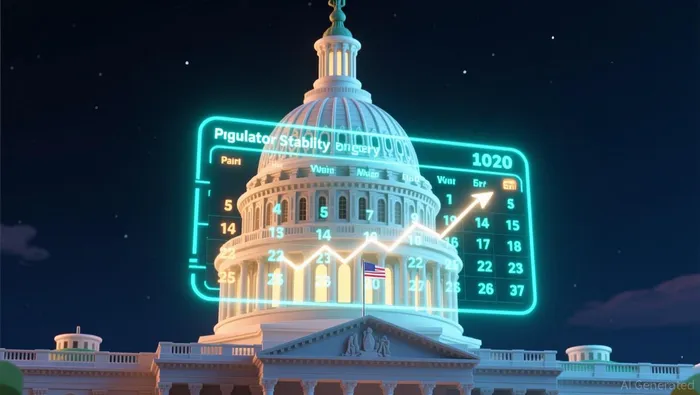
The CLARITY Act is further along than most market debates assume
Calendar placement is the headline, but the more important point is procedural: the CLARITY Act has now completed five of nine steps toward becoming law. That does not guarantee passage, but it does show a live legislative path rather than a bill stuck at the edges of the process.
Why the process matters more than the press release
The next real hurdle is a Senate floor vote, which requires 60 votes. The bill also still has to navigate differences with the House version after changes were made following the House passage in July 2025. That is not a death sentence, but it does mean the market is still evaluating a live process, not a finished law.
- Bull case: The farther the bill moves, the more the debate shifts from whether a framework exists to whether it can clear the Senate.
- Bear case: Nothing changes materially until leadership schedules a vote and the bill clears the 60-vote threshold.
For now, the mechanical progress looks more meaningful than the symbolism.
Clarity matters because it changes institutional risk calculations
The market upside is not only symbolic. A clearer regulatory framework could reduce the compliance hesitation that has kept some institutions from committing more deeply to crypto. In that sense, better rules matter even before the final text is locked.
A separate Senate measure is moving in a related direction. It would require agencies to state that guidance does not have the force and effect of law. That is a different proposal from the CLARITY Act, but it points in the same direction: less reliance on vague, evolving enforcement postures and more effort toward stated rules.
Where the market reaction could show up first
If sentiment improves, the effects would likely show up in stages:
- Headline crypto is usually the fastest responder when uncertainty starts to ease.
- Exchanges and liquidity venues could benefit first from lower compliance overhang.
- Stablecoin infrastructure may gain as the regime around payment rails becomes easier for institutions to underwrite.
- Crypto-linked equities could rerate as companies get clearer signals on product launches, partnerships, and capital allocation.
How to think about the trade from here
The right approach is not to chase the noisiest token. It is to size for changing odds. Once the bill is formally in the queue and approval chances become more visible, the setup moves from theoretical to tradable.
What to watch next
This is still a probability-shift trade, not a call on immediate passage. The cleaner confirmation signals are:
- a scheduled floor debate and vote
- movement through the 60-vote threshold
- progress on reconciling House and Senate differences
If those markers keep improving, the headline can turn into a broader re-rating across crypto markets. If they stall, the calendar placement will look less important in hindsight.