

SpaceX is targeting a June 12 Nasdaq debut for what could be the largest IPO ever. As the reigning king of private tech giants, SpaceX is set to debut on the Nasdaq under the ticker "SPCX" with a mind-blowing valuation target between $1.75 trillion and $2 trillion.
To fuel the fire, the company just executed a pre-IPO 1-for-5 stock split, with an estimated IPO price of around $160 per share. This isn't just another tech IPO; it is a historic financial event. Let's break down the major catalysts driving this mega-listing, what it means for retail investors, and how it will fundamentally reshape Elon Musk's empire.
Why Wall Street Buys into the $2 Trillion Valuation
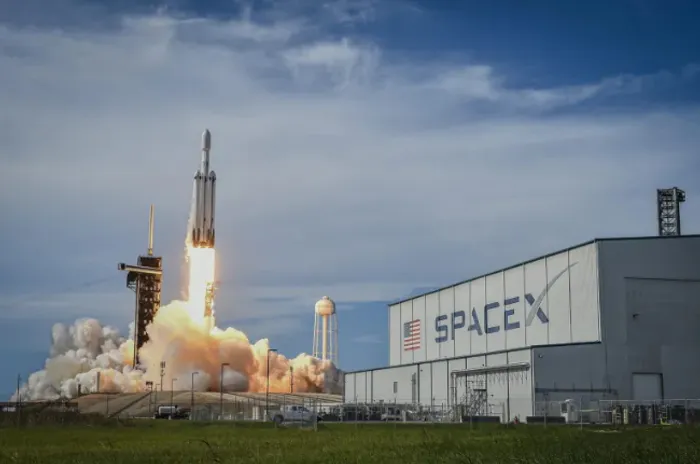
SpaceX is no longer pitched to Wall Street as just a speculative rocket launcher. The massive $2 trillion valuation is backed by Starlink, which has turned deep-space aerospace into a high-margin cash cow with over 9 million global active subscribers. Furthermore, SpaceX's strategic integration with Musk's artificial intelligence venture, xAI, has created a powerful tech narrative, framing the company as a tri-vertical titan that combines orbital AI compute, global satellite infrastructure, and heavy-lift logistics via Starship.
Absolute Control Remaining in the Driver's Seat
Founders often dread IPOs because going public means answering to activist board members and institutional hedge funds, but Musk has bypassed this risk entirely. SpaceX implements a strict Dual-Class Share Structure where Class A shares sold to the public carry standard voting rights, while Class B shares retained by Musk and core insiders hold super-voting power. Even after selling billions in stock to the public, Musk retains near-total voting control over the company, ensuring the direction of Starship and the timeline for Mars remain entirely in his hands.
Unlocking Unlimited Capital for Musk's Frontier Empire
Being a public entity turns SpaceX into Elon Musk's ultimate personal treasury. By taking the company public at a $2 trillion valuation, Musk instantly viralizes and liquidates his wealth. Because he plans to sell zero shares during the IPO, the post-listing capital premium could easily push his personal net worth past the $500 billion mark. He can then borrow against his highly liquid SPCX stock or initiate secondary offerings to generate massive, continuous funding for his other capital-intensive, high-risk ventures like Neuralink, xAI, and Mars colonization.
Conclusion
The SpaceX IPO marks a generational turn for global markets. By executing a 1 for 5 stock split, the company has lowered the barrier to entry, giving retail investors a rare front-row seat to the commercialization of space alongside institutional heavyweights. However, with a jaw-dropping $2 trillion valuation, there is little room for error. Aerospace is an inherently high-risk sector where technical anomalies can trigger massive volatility, and the dual-class structure means investing in SPCX is ultimately a high-stakes bet on Elon Musk himself.