

With about a quarter of votes counted on Friday, the scale of Labour's defeat was already stark. Prime Minister Keir Starmer took responsibility for the "very tough" results, but the numbers told a brutal story of a party in crisis.
Reform UK, led by Nigel Farage, swept into working-class heartlands that had been solid Labour turf for generations. In Hartlepool, in England's north, Reform won seats in areas that once defined Labour's base. The pattern repeated across former industrial regions in central and northern England - Tameside, Wigan, Salford. In Tameside, a Labour stronghold for nearly 50 years, Reform picked up all 14 seats Labour was defending. In Wigan, a former mining community Labour controlled for more than half a century, Reform took all 20 seats. In Salford, Labour held just three of 16 seats.
"The results were soul-destroying," said Rebecca Long-Bailey, the Labour MP for Salford.
By early Friday afternoon, Reform UK had gained 335 council seats in England. Labour had lost 247. The Conservatives were down 127. These were not marginal gains - they were wholesale transfers of loyalty from one party to another.
"The picture has been pretty much as bad as anyone expected for Labour, or worse," said John Curtice, Britain's most respected pollster.
The implications extend far beyond local councils. Reform UK is now positioned to form the main opposition in Scotland and Wales - roles that have traditionally belonged to the SNP and Plaid Cymru. If Labour loses control of Wales, it would be pushed into third place in that nation after a century of dominance. The two-party system that has structured British politics for generations is fracturing in real time.
What makes this defeat especially damaging for Starmer is the speed of it. He won one of the largest parliamentary majorities in modern British history just two years ago, promising stability after years of chaos. Now, voters have spoken - and they are punishing the pace of change, not the lack of it.
Why Voters Turned: The Cost of Living Crunch Has No Cure-All
The real story behind Labour's electoral punishment isn't about policy details or political strategy. It's about whether people can put food on the table and whether the economy is actually working for them. When the price of everything keeps climbing and wages aren't keeping pace, voters get impatient - especially after being promised change.
Take Willie Henderson, the 98-year-old former distillery worker in Dumbarton. He worked 30 years at the local whisky distillery, voted Labour all his life, and now says he's "lost total faith in all the politicians". His father was a lifelong Labour supporter, but Henderson says he'd likely vote for an independent candidate now. "They all get in with good intentions, and then they just line their pockets. They're on the gravy train," he said. That kind of disaffection isn't isolated - opinion polls suggest it's rampant across Britain.
That sense of being left behind is exactly what shows up in election results. Labour is losing ground in traditional strongholds - former industrial heartlands in central and northern England, and some parts of London. These are communities that voted Labour for generations because they believed the party would fight for them. Now they're voting Reform UK, which runs on an anti-establishment message that resonates when people feel the system has failed them.
The elections amounted to an unofficial referendum on Starmer, and he lost. His popularity has plummeted since he led Labour to power less than two years ago. Voters grew impatient for economic growth and dramatic change after 14 years of Conservative government. They wanted results, not promises. When the cost of living keeps crushing household budgets, the message is clear: the person in charge isn't delivering.
Starmer himself acknowledged this, saying the voters had sent a message about "the pace of change, how they want their lives improved." He took responsibility for the "very tough" results but wouldn't resign. The problem is, the economic pain hasn't gone away. Until it does, voters are unlikely to forgive anyone in power.
The Leadership Question: Can Starmer Survive This?
Prime Minister Keir Starmer took responsibility for the "very tough" results over the weekend, but he made one thing clear: he is not resigning. "The voters have sent a message about the pace of change, how they want their lives improved," he said. "I was elected to meet those challenges, and I'm not going to walk away from those challenges and plunge the country into chaos." That stance has drawn a line under any immediate speculation about his departure - but it hasn't silenced the growing chorus of doubt inside his own party.
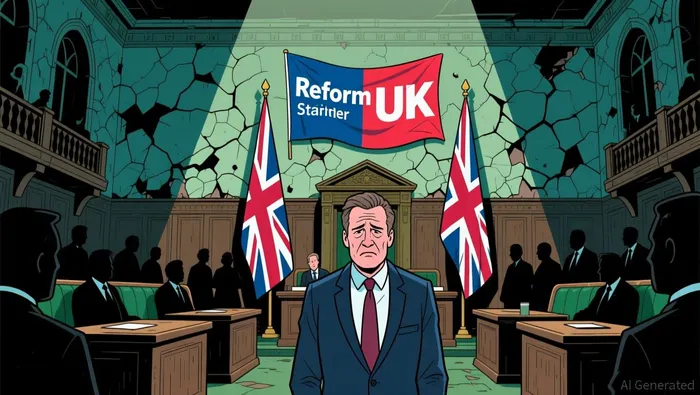
The scale of the defeat has triggered serious internal dissent. Some Labour lawmakers have already said that if the party performs poorly in Scotland, loses power in Wales, and fails to hold many of the roughly 2,500 council seats it is defending in England, then Starmer will face renewed pressure to quit or at least set out a timetable for his departure according to early reporting. The elections are being widely seen as an unofficial referendum on Starmer himself, and he lost - his popularity has plummeted since he led Labour to power less than two years ago as voters grew impatient for economic growth.
Deputy Prime Minister David Lammy and other allies were quick to defend the prime minister, with Defence Minister John Healey saying the last thing voters wanted was "the potential chaos of a leadership election" and that Starmer "can still deliver, he can still turn it round" according to Times Radio. But the damage to his authority is real. His government has struggled to deliver promised economic growth, repair tattered public services and ease the cost of living - tasks made harder by external shocks including the U.S.-Israeli war with Iran, which has choked off oil shipments through the Strait of Hormuz according to analysis.
Even if Starmer survives for now, many analysts doubt he will lead the party into the next national election, which must be held by 2029 according to AP analysis. The elections for 136 local councils in England, alongside the devolved parliaments in Scotland and Wales, are the most significant test of public opinion before that general election according to Reuters. Labour's traditional two-party dominance is fracturing - Reform UK is now positioned to form the main opposition in Scotland and Wales, while the Greens are gaining ground in urban centers. In this new political landscape, Starmer's ability to hold the party together and deliver results before 2029 looks increasingly uncertain.
The key point is this: Starmer has refused to budge, but the pressure cooker inside Labour is only getting hotter. Unless he can deliver tangible economic improvement in the months ahead, the questions about his leadership will only grow louder - and the party he once led to a historic landslide could find itself fractured beyond repair.