

I have long maintained that the best investment tools are the ones you don't pay for - or at least, the ones where the data they deliver changes your judgment fast enough to justify the cost. InvestingPro, the paid stock analysis platform from Investing.com, is running a promotional offer for a limited window. That sounds attractive. But the real question for a value investor is not how cheap the subscription looks during a sale. It is whether the tool earns its keep against alternatives that cost nothing.
What you're paying for
InvestingPro's standard Pro plan runs roughly $119.88 per year, or about $9.99 a month when billed annually. The monthly rate sits at $17.95, and the promoted discounted plan works out to around $9.50 a month. The Pro+ tier sits at roughly $299.88 per year. These numbers place it in the same bracket as most mid-tier research platforms - affordable enough that the friction to sign up is low, expensive enough that a forgotten renewal costs you a month's worth of takeout.
The subscription unlocks real-time stock screening across 1,000-plus metrics, financial data downloads, and what Investing.com calls "fair value" analysis. The fair value feature aggregates multiple analyst price targets and displays key valuation metrics side by side. The stock screener lets you filter by fundamental and technical criteria. The platform also offers AI-powered stock picks and chart analysis.
The problem with analyst-aggregated fair value
Now let's talk about the feature that makes or breaks this platform for a value investor: that fair value assessment. The fair value metric on InvestingPro is built from a sum of top analysts' price targets. That is not fundamental analysis. That is consensus averaging. If every analyst overvalues a stock by the same amount - which happens regularly in sector-wide bubbles - the averaged fair value is still wrong. It just looks authoritative because it is compiled from many sources.
For someone who hunts for cash-flow discounts and margins of safety, relying on analyst-consensus fair value is like asking a crowd how deep the water is before stepping in. The crowd might be right, but the crowd is also the first to panic when the tide turns. A deep-value approach demands that you build your own fair value estimate from operating cash flow, EBITDA, leverage, and peer comparables - not someone else's summary of what sell-side analysts think.
What free alternatives cover
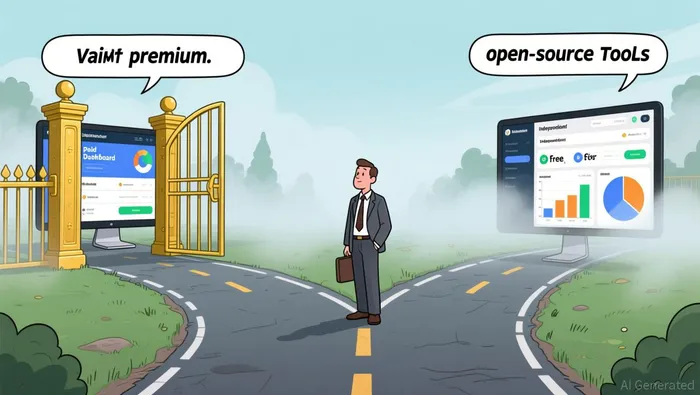
Here is the part that matters most for the value equation. The core function of InvestingPro - filtering stocks across fundamental metrics - is already available without a subscription. Finviz, Yahoo Finance, and Fidelity all offer free screeners, and Zacks also offers a free option. TradingView's free screener offers many filters, including technical criteria if that is your angle. Stock Rover, which is widely regarded as the best screener for buy-and-hold investors.
That is not to say InvestingPro is without value. Its interface bundles data sources that would otherwise require tab-hopping between three different sites. If you are a swing trader who benefits from speed and consolidated dashboards, the convenience has a real cost-saving angle. But if you are a value investor who reads filings, traces cash flows, and builds your own peer comparisons, the convenience premium is harder to justify.
The urgency trap
The promotional framing - "lowest price of the year" with a "limited-time only" deadline - is a sales mechanism, not an investment signal. It works on the same psychological principle as a FOMO trade: convince the buyer that waiting is the costlier option. From a practical standpoint, this type of discount cycle is not rare. Subscription platforms run promotional pricing multiple times per year. The sale you see today will likely reappear next quarter. There is no margin of safety in an urgency-driven decision.
Even if the current discount is genuinely the lowest available right now, the question remains whether $120 per year of any stock screener produces investment decisions good enough to offset its own cost. If the tool surfaces five good ideas a year, the fee is justified only if those ideas outperform by at least $24 per idea after costs. If it surfaces five ideas and two break even, the subscription is net-negative.
The bottom line
While it's true that InvestingPro offers a clean, all-in-one interface with 1,000-plus screening metrics and analyst-aggregated fair value estimates, I would argue that the platform's core analysis engine - consensus price targets masquerading as intrinsic value - is not the kind of tool a disciplined value investor should lean on. Fair value built from analyst targets is backward-looking and herd-influenced. Fair value built from cash flows, balance-sheet durability, and peer mispricing is forward-looking and independent. InvestingPro does the former.
The free alternatives - Finviz, Zacks, Yahoo Finance, and TradingView - cover the filtering ground without the subscription fee. For a deeper buy-and-hold workflow, Stock Rover is the more purpose-built option. If you want a single dashboard that aggregates data across platforms and you value convenience over analytical independence, InvestingPro earns a slot in your toolkit. But if your edge comes from finding cash-flow discounts that the consensus has overlooked, you are better off building your own screens and your own fair value estimates.
There are better opportunities in your investing time than learning another platform's interface during a promotional countdown.