

Stocks rebounded, but oil is still driving the risk trade
Stocks bounced back, but Brent at $108.68 keeps the market in a cautious regime.
The S&P 500 recovered from earlier losses on Monday and finished up 0.83%. The Nasdaq also bounced 1.38%. That kind of intraday reversal can quickly shift sentiment from fear to relief, especially if investors believe the shock was contained.
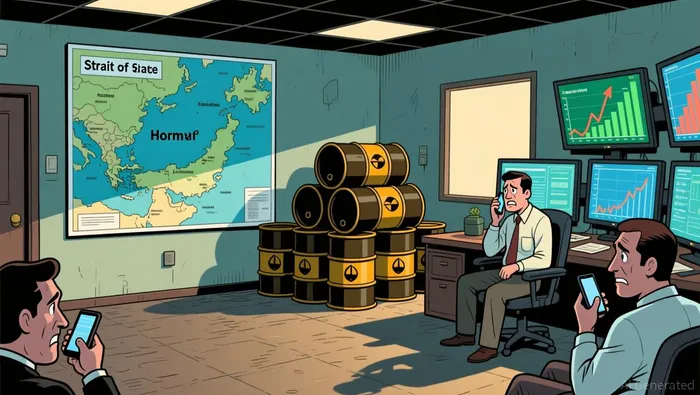
Why bulls and bears are reading the same tape differently
Bulls can argue that Monday's close looked more like a washout than a trend break. Relief also strengthened after Trump said the war against Iran could be nearing its end.
Bears are focused on oil. The key question is whether this is a temporary spike or the start of a broader inflation shock. The Strait of Hormuz still matters because it had been carrying about 20% of global oil and LNG supplies, and Reuters said actual physical flow remains constrained. If crude stays elevated, higher energy costs can feed back into inflation expectations, yields, and corporate margins.
Portfolio takeaway
This still does not look like a clean all-risk-on setup. A more defensive stance makes sense: favor direct energy exposure, stay cautious on inflation-sensitive duration, and wait for the monthly jobs report to help clarify whether hotter oil is already changing the macro backdrop.
Hormuz congestion is the transmission channel markets cannot ignore
The equity rebound matters less than how the shock is spreading. This is still a supply disruption first, with inflation and valuation effects following after. The Strait of Hormuz typically carries about 20% of global oil and gas consumption, and that bottleneck has not cleared. Even after Monday's equity bounce, efforts to end the war appeared to have stalled.
Inventory tightness matters more than a headline price spike
Reuters reported larger-than-expected gasoline and distillate stock draws in the U.S., a sign that the market is already consuming buffer stock rather than simply reacting to geopolitical headlines. If inventories keep falling, higher oil stops being a short-term risk premium and starts becoming a broader inflation and margin issue.
Why valuation pressure comes after the energy shock
The sequence bears are watching is straightforward: higher energy prices push up inflation expectations, bond yields move, and equity discount rates rise. Reuters also noted inventories could reach critical levels by end-June. If that scenario gains credibility, the debate shifts from whether the S&P 500 can bounce to whether earnings can hold up as oil becomes a real cost and policy variable.
The bull case is possible, but it still depends on de-escalation
The bullish case is not baseless. Reporting still showed Iran was reviewing the response to its proposal. But that reads more like a de-escalation scenario than a return to normal. Markets are still operating under the shadow of plans for a series of fresh military strikes and a strait that remains disrupted enough to threaten a large share of global oil and gas flows.
The main watchpoints are Brent, Hormuz transit conditions, and whether inventories stop tightening.
If oil stays high, portfolio defense matters more than chasing the rebound
With Brent near $108.68 and the Strait of Hormuz still constraining a waterway that typically carries about 20% of global oil and gas consumption, this is not yet a broad risk-on market. It is a situation where direct energy exposure may outperform before broader risk assets fully work through the second-order effects.
Areas that can benefit if crude stays firm
- Energy producers and integrateds: These names have the most direct exposure if efforts to end the war appeared to have stalled and Hormuz disruption persists.
- Defense: Ongoing Middle East tension can keep geopolitical risk premiums in the market, especially when diplomatic progress remains uneven and a ceasefire in place since April 8 has not restored normal transit conditions.
Areas that can struggle if disruption persists
- Airlines and transport: These businesses are usually more exposed to sustained fuel-cost pressure.
- Long-duration Treasuries: If oil keeps inflation concerns elevated, rates may stay under pressure rather than reset lower.
What would confirm or weaken the trade
Confirmation triggers - The Strait of Hormuz remains mainly shut - Shipping through the strait continues to face restrictions - Efforts to end the war appeared to have stalled
Invalidation - Transit through Hormuz normalizes - Diplomacy produces concrete relief rather than stalled talks - Oil gives back enough premium that inflation pressure starts to fade
Until then, risk management matters more than celebrating the first green day after a fear move.
Rising oil can weaken the usual stock-bond diversification
The rebound can create a false sense of control. Once the S&P 500 rebounded from earlier losses, the bigger question was whether risk had truly cleared or whether the market had only absorbed the first shock. The transmission channel mattered more than the headline close: oil prices up came with higher bond yields and sharper inflation concerns.
When stocks and bonds both react to the same shock
Reuters reported that Treasury yields moved higher as investors reduced bets on rate cuts amid hotter inflation prospects. That is the setup where traditional 60/40 diversification can weaken, because both equities and bonds can come under pressure at the same time.
The next important cross-check is payrolls data, which can help separate a temporary shock from a tougher mix of softer growth and stickier inflation.