

The market woke up to Iran firing missiles at Israel on June 7 - its first direct strike since the fragile April ceasefire - and oil futures moved higher on the headline. Brent crude is sitting around $95.50 a barrel, up nearly 3% on the day. But for anyone actually tracking the plumbing rather than the news ticker, this event is not a supply shock. It is a diplomatic rupture with investment implications that run in the opposite direction of what the headlines suggest.
Here is what has already happened and is already priced in. The Strait of Hormuz - the choke point through which roughly 20% of global oil supply flows, about 15 million barrels per day - has been largely shut down since February 28 of this year. That is 94 days of paralysis. Brent spiked to nearly $120 at the peak of the panic, then settled back to the mid-$90s as the market absorbed the new reality. The energy sector, measured by the XLE ETF, is up roughly 30% year-to-date. Energy stocks have rallied while the broader market has retreated, making the sector one of Wall Street's top performers in 2026.
The missile strike on Israel doesn't change the flow of crude through the Hormuz. It hasn't been flowing for three months.
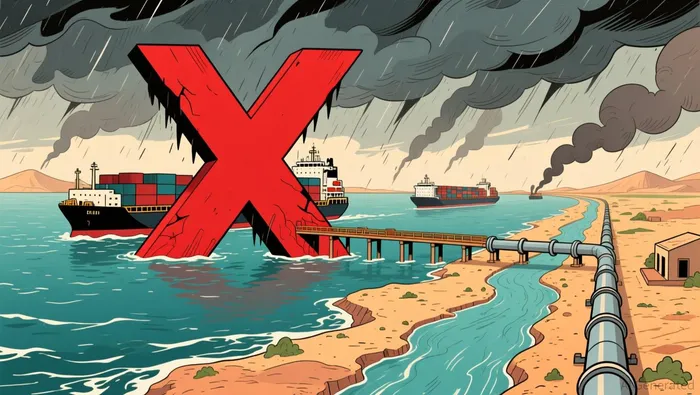
What this strike actually changes is the ceasefire, and that matters for the wrong reasons. Iran stopped communicating with mediators about extending the truce before launching the June 2 attacks. The U.S. has been running "Project Freedom" since May 3 to guide commercial ships through the strait. Even that effort is facing resistance - the Pentagon confirmed it was shooting down Iranian attack drones threatening the Hormuz as of yesterday evening. The diplomatic channel that was supposed to restore normal shipping is now broken. The Strait isn't likely to reopen anytime soon.
From a cash-flow perspective, here is where the energy story actually stands. Producers have been selling oil at $90-plus per barrel for months now, against a backdrop of constrained Hormuz throughput and ongoing SPR drawdowns - the government pulled 19 million barrels from the Strategic Petroleum Reserve in late May alone. That is structural support for revenue. E&P companies that entered the war at $70 a barrel are now operating at roughly $30 per barrel of margin expansion. If you own a well, this is the environment you pray for.
But this is also where the deep-value lens starts asking harder questions. Energy is up 30% year-to-date. The geopolitical premium is no longer an afterthought; it is the main thing holding the sector up. The question isn't whether oil will stay expensive. It's whether the stock prices reflecting that expense still have room to run, or whether the market has already done the math.
I would rate this differently depending on where you sit in the value chain. Fee-based midstream names - companies like Kinder Morgan that earn contracted tolls regardless of commodity price - are the cleaner play. Their cash flows are insulated from the boom-bust cycle. When oil stays elevated and shipping routes reroute, volume on domestic pipelines tends to hold. That fee-based predictability deserves a premium, and even after the sector's rally, names with 85%+ contracted revenue and comfortable distribution coverage still look like the margin-of-safety pick.
Pure commodity-exposed E&Ps are a different story. They have benefited enormously from this environment, but they are also the ones that will take the full hit if a ceasefire actually holds and the Strait reopens. A sudden supply flood from Iran, Saudi Arabia, and UAE flows returning to normal would collapse the geopolitical premium overnight. The E&P that bought growth during the rally at $95 oil doesn't have a margin of safety if oil falls back to $75 - and that's exactly what would happen if diplomacy wins.
All things considered, the missile strike is bearish for the peace process but the supply disruption was already baked in. If you are looking for energy exposure, the fee-based midstream operators remain the more durable position - their cash flows don't depend on whether Tehran negotiates. For the commodity plays, the upside from further escalation is real, but so is the reversion risk, and at 30% YTD returns, the margin of safety has thinned considerably.
The market is reacting to the headline. The smart money should be watching what happens to Strait shipping insurance premiums - analysts say they could sit at 20 times pre-war levels even if the channel reopens. That's the real structural tailwind for rerouted and domestic energy flows. That number, not today's missile count, is what will determine whether the energy sector's best days are behind it or still ahead.