

Summers is warning that Trump's campaign agenda could reignite inflation
This is a household-budget warning, not partisan background noise. Summers is saying that if Trump delivers on the agenda he repeated throughout the campaign, the inflation shock could be substantially larger than anything at the beginning of the last administration. That matters because investors and voters may be drifting back into complacency just as policy risk is becoming actionable again.
That comfort is understandable. But Summers' point is that the inflation battle is not over; it could be restarting under less favorable conditions. He warned earlier that the Fed and markets are still underestimating the overheating risk, and he expects the incoming administration to move quickly on campaign commitments.
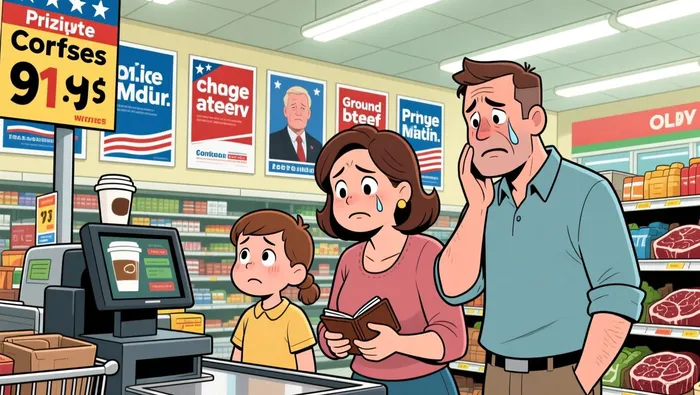
The rhetoric matters because Trump's message was concrete, not abstract. He promised to cut energy and electricity prices by half and said he would make America affordable again. Skeptics may dismiss that as political theater, but consumers are still sensitive to sticker shock because the wounds of Biden-era inflation are still fresh. Treating those promises as harmless noise could be a mistake.
How a low-price agenda could still push prices higher
The affordability pitch is simple in theory: make things cheaper, fast. But policy mechanics rarely work that way. The same agenda marketed as cost-cutting could still create inflation pressure through tariffs, labor markets, and expectations.
Tariffs could raise costs before they produce deals
Trump also told voters the auto sector could be revived quickly through tariffs and other smart use of federal power. That matters because tariffs can raise import costs at the border. It is also not just a theoretical concern inside this administration: Scott Bessent had previously written that tariffs are inflationary.
The optimistic case is that tariff pressure will force deals, strengthen domestic production, and leave only a temporary price hit. Advisers already argue the effects would be short-lived and limited. But that only holds if trading concessions arrive quickly and domestic capacity can expand fast enough to offset higher input costs.
Deportation promises could tighten labor supply
Summers has warned that increasing deportations could create meaningful labor-market pressure. That matters because households do not need economic theory to feel the result. They feel it when certain services become scarcer, wages rise faster, and replacement labor remains constrained.
Markets often underprice that kind of inflation until it broadens across sectors. Once it does, the Fed has less room to soothe sentiment, and the public stops hearing "transitory." It hears "my budget is tighter."
Expectations can make the shock harder to control
The third channel is expectations. Summers' 2021 warning was prescient, which gives his latest caution more weight than a routine alarmist headline. Investors are anchoring to the post-2022 calm, but policy shocks can change business and consumer behavior before the data fully catch up.
Watch these signals now:
- Tariff implementation vs. exemptions: if duties expand before supply chains adjust, the hit lands first in retail and autos.
- Labor tightness beyond unemployment: if wage pressure spreads into services, the labor channel is no longer theoretical.
- Expectations drift: if voters start acting as if another inflation wave is here, the cost of fighting it rises.
What would turn the warning into a market story
The first real test is the 30-day pause on tariffs on imports from Canada, Mexico, and China. A pause is not the same as de-escalation. Investors often treat delays as proof the threat was a bluff, but that is anchoring, not analysis. The next month should show whether this is dealmaking or just a delayed price pass-through.
What would confirm a fresh inflation trade
Watch for broadening, not just headline noise. Right now, price stress is still concentrated in a few items: coffee prices have risen by nearly 20% and ground beef prices have risen by 15.5% year over year. That is uncomfortable at the grocery shelf, but it is not yet a macro trade.
Confirmation would require more than isolated food-price spikes. It would mean tariff-related costs are showing up in retail and industrial prices, labor constraints are spreading into services, and policymakers are no longer speaking confidently about a smooth return to target inflation.
What would weaken the warning
This warning loses force if tariff threats keep producing negotiated outcomes, if price pressure remains confined to volatile categories such as coffee and ground beef, and if the Fed still sounds confident inflation is on a sustainable path back to target.
The practical takeaway is simple: markets rarely get one shocking inflation print. More often, they get a sequence of "manageable" shocks before realizing that policy, prices, and expectations have moved together.