Trump's "final stages" claim is already shaping crude
This still looks like a tradeable squeeze rather than a post-deal cleanup story. Trump said talks were in the "final stages" and could close "in a few days." Crude, however, is still trading as if that promise can break before shipping flows do. Brent was near around $94.98 a barrel, WTI was above $90.33 per barrel, and the recent move was sharp: Brent rose more than 4.2 percent and WTI more than 5.5 percent. That tells you deal headlines matter, but the market is still carrying a live Hormuz risk premium.
The simple read is this: if a deal actually lands and transit confidence improves, that premium can shrink quickly. If execution slips, the price structure suggests the market is already positioned to keep paying for supply fear.
Strait of Hormuz control matters more than diplomatic optics
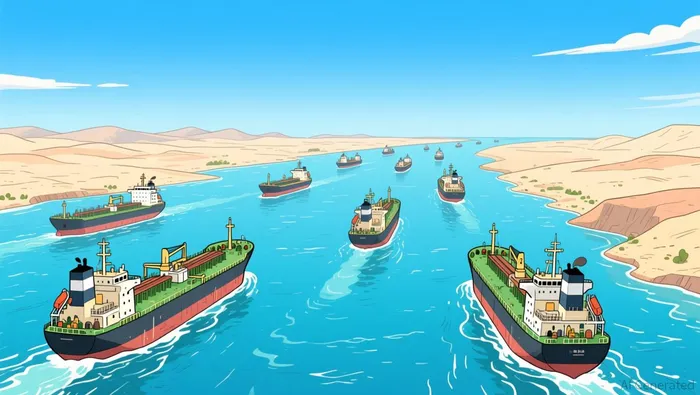
The oil market does not reset on press-conference optimism. It resets when the choke point itself becomes safer and more predictable. Since late February, the Strait of Hormuz crisis has seen at least 17 merchant ships damaged, of which 7 abandoned; 2 merchant ships captured. That is a physical disruption problem. Another headline that talks are nearly done matters less than evidence that tankers can pass with lower odds of interception, delay, or damage.
The gap between a deal headline and physical transit
Trump says the strait of Hormuz will be opened as part of the deal. Iran's Fars news agency, however, said the waterway would remain under Iranian control. That gap captures the debate. Bulls can argue the talks are meaningful precisely because Hormuz is being negotiated at this level. Bears can argue that a paper agreement and the on-the-water reality may still diverge. For oil, the bear case still matters until verified transit improves.
Why traders should not trust the headline alone
This is not a brand-new diplomatic burst. The current process has followed Round 1: April 12, 2025 – June 13, 2025; Round 2: February 6, 2026 – February 28, 2026; Round 3: March 30, 2026 – April 7, 2026; Islamabad Talks: April 11, 2026 – April 12, 2026. Investors have heard "almost done" before. That is why flow data matters more than another optimistic read on rhetoric.
Oil likely reprices when transit confidence improves, not when diplomacy simply looks closer on paper. So the key question is not whether officials sound nearer a deal, but whether ships are actually moving through Hormuz with fewer disruptions.
What would make the "days away" claim credible for oil?
The clearest new signal is physical, not rhetorical: two Chinese tankers laden with oil exited the Strait of Hormuz. That is not proof the choke point is restored. It is proof that measurable traffic is moving again. That matters more than another "days away" headline because there are no clear alternatives to the Strait with enough capacity to absorb Gulf flows quickly. If traders start seeing repeated exits like this, the premium in crude can compress. If not, the squeeze stays alive.
Bull case: repeated transits matter more than a signing photo
Bulls should watch for repetition first. One or two tankers is a datapoint; a string of verified transits is a market signal. Because viable alternative throughput is still absent, the bull case is straightforward: stop waiting for a ceremonial announcement and start trading confirmed movement through the waterway.
Bear case: the deal process still shows friction
Bears still have real ammunition. Trump left a Situation Room meeting without making a decision even after signaling he expected a final determination. Separately, he instructed negotiators not to rush into a deal and said both sides must take their time and get it right. That leaves open the possibility that the hardest terms are still unresolved.
The three signals that would validate the close-call story
- Repeated Hormuz exits, not just one or two tanker movements.
- Clearer alignment between what a deal says about reopening the strait and what actually happens on the water.
- Fewer signs of delay, such as unfinished terms or public warnings that the process still needs time.
If those signposts line up, the "two to three days" claim starts to earn more credibility. If they do not, investors may be better off assuming the market still has squeeze left in it.