

What more do investors need to ignore? Trump says an Iran deal is 'days away' - for the umpteenth time. CNN has already started a running tally of how many times the administration has promised imminent closure. Iran's government spokesman says a deal is 'not imminent'. Oil prices fell on the headline. Then the cycle repeats.
But here's the disconnect no one is talking about: the energy trade has already run so far ahead of where oil actually trades that every 'deal imminent' headline isn't a geopolitical signal. It's a margin call warning for energy longs.
Let's start with the numbers. The S&P 500 dropped roughly 8% in the opening weeks of the Iran conflict in late February. A full recovery took just 11 trading sessions. Since then? The index has set 23 new all-time highs in 2026 alone, now trading above 7,600. Chipmakers are rebounding. The Nasdaq is setting its own records. Investors aren't just shrugging off the war - they've moved on.
Meanwhile, the Energy Select Sector SPDR ETF (XLE) has returned roughly 42% for the year. That's the headline. The sub-headline matters more: crude oil prices have fallen 9.45% over the past month to around $88 per barrel. Energy stocks are soaring while the commodity underpinning their earnings is sliding. That's not a secular re-rating. That's a disconnection.
Here's the math that should keep energy bulls awake. Analysis from earlier this year showed XLE was already overpriced by approximately 17% relative to where crude oil prices justified its level. That was January. Since then, XLE has kept climbing while oil has kept falling. The gap has only widened. Energy stocks aren't just outperforming the broader market. They're outperforming the very commodity they're supposed to track.
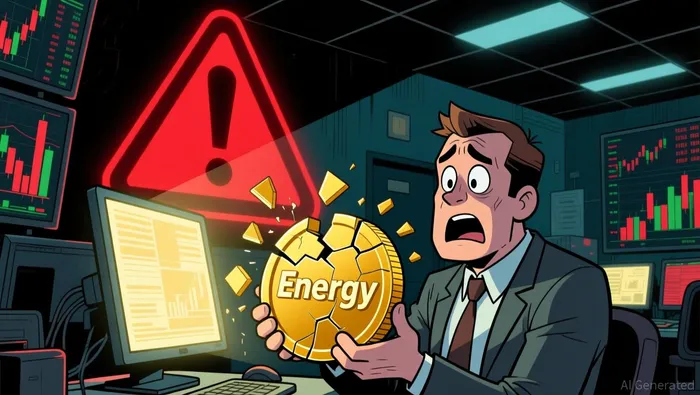
The core thesis driving this trade was simple: a prolonged Iran conflict strangles supply, keeps oil elevated, and rewards energy earnings. That thesis baked in permanence. The problem? The market never priced in a world where the war ends. It priced in a world where it doesn't. And now the war is entering its 100th day with no resolution - and the energy trade is the most overextended position in the market.
Every time Trump says 'deal imminent,' oil drops. Energy stocks should drop with it. But they haven't fallen nearly enough. They're riding on momentum and hope, not on the fundamental link between barrel price and earnings power. When energy valuations detach from oil by 17% or more, you're no longer trading supply-demand dynamics. You're trading a narrative.
The bear case here is straightforward. If a deal materializes - or even if it appears materially closer - oil corrects, and energy stocks face a double hit: lower oil prices and multiple compression as the geopolitical premium evaporates. That's not a slow fade. That's a repricing event.
The counterargument, and it's worth hearing, is that even with a deal, oil won't crash back to $50. There are structural supply constraints elsewhere. OPEC+ discipline. U.S. shale operating leverage. If the deal is soft or delayed further, energy keeps its cushion. I'll grant that. But the cushion doesn't justify a sector that's outpaced its underlying commodity by nearly 20%. It just means the downside from here is larger than the upside.
What about the other side of the tape? While energy has consumed headlines, quality growth has been quietly reasserting itself. The S&P 500's recent record highs have been broad - 13 new 52-week highs versus 7 new lows in a single session last week. The Nasdaq posted 105 new highs. Earnings growth for the S&P 500 was projected at roughly 13% for the first quarter of 2026, continuing a multi-quarter streak. The market's real engine - corporate profit growth - hasn't broken. It's accelerating.
So here's the posture I'd take. If you're long energy on the Iran trade, it's time to trim. The risk/reward has flipped. The sector's premium to oil is unsustainable, and every geopolitical headline from now on is a potential exit event. Don't add on weakness here. Don't average down into a trade that's already pricing in the most prolonged version of this conflict.
If you're sitting in cash or underweight equities because of geopolitical anxiety, the market is telling you something: the Iran war hasn't derailed earnings growth, and it hasn't stopped the bull market. Quality growth names in semiconductors and software that got caught in the initial panic are where the asymmetric setups are forming - not in energy stocks that have already done their leg up.
The Iran deal story will keep generating headlines. Keep reading it. But trade what's happening in the numbers, not what's happening in the headlines. The energy trade's valuation trap is the story worth acting on. Don't let the geopolitics distract you from it.