

Hormuz relief is real, but markets are pricing the headline before the barrels
The Hormuz relief rally is real, but late bulls should not confuse a ceasefire headline with a clean supply fix. Right now, the market is trading the prospect of de-escalation first and actual traffic normalization second.
Trump's switch from strikes to a deal flipped the narrative
A few days ago, the tape was running on escalation: Trump threatened more strikes, then said negotiators had just made a great settlement. That sharp pivot from war to diplomacy is a big reason the relief trade moved so quickly. Bulls saw a reset in expectations; bears saw the same pattern of talk, delay, and unfinished business.
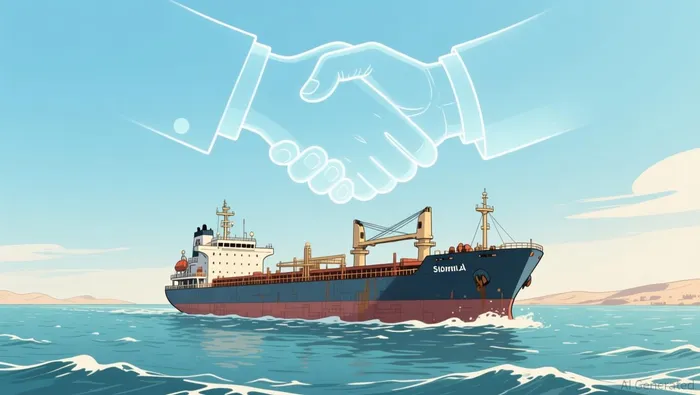
The political timing helps explain the early rally
This week was already shaping up to be a high-profile stretch for Trump. He had set high expectations for the coming days around the World Cup return, his birthday UFC event, and then the G7. In that context, front-loading a diplomatic win is politically attractive. It also helps explain why markets reacted so fast to the chance that the peak-tension phase may be ending.
The supply upside is large, but the deal does not settle the hard issues
The upside is easy to grasp: roughly a fifth of global oil and LNG moved through Hormuz before the war. But the current agreement still leaves the core disputes unresolved, and Iran keeps significant leverage after months of blocking the strait.
In other words, this is first a ceasefire-and-expectations story, then a supply story. If the signing happens, the first wave of relief should go to traders positioned early. The harder question is whether calm actually sticks once the cameras move on.
What the Friday signing can change-and what it cannot
The first rerating is the removal of the worst-case blockade assumption
What gets priced on Friday is not a fully resolved settlement. It is the removal of the worst-case assumption that Hormuz stays blocked. The accord announced late Sunday calls for the strait to reopen once both sides formally sign the accord on Friday, and the immediate market impact is that the framework for ending the war looks concrete enough to schedule. That matters because the documents should get done over the next few days and there may be a signing ceremony in Europe. For the market, that is the relief leg: the blockade narrative starts to unwind before every other issue is settled.
There is also some support from recent flow data. Two Chinese tankers laden with oil exited the Strait of Hormuz, and shipping data around that movement brightened hopes that hostilities could end soon. That helps explain why bulls see the first move as attractive: investors are trading the signature event and the possibility that an agreement is within reach, not waiting for full post-deal confirmation.
The strategic fight is still ahead
The catch is that this remains a ceasefire wrapper, not a full reset. Under the current plan, Iran's nuclear program terms are to be finalized within 60 days of the agreement. That pushes the biggest strategic dispute into the near term and means the deal does not yet resolve the underlying conflict of interests.
Trust is also still very low. Reports of progress have been met with public skepticism from Tehran, while U.S. officials have talked up the talks. The risk that the process slips is not theoretical: earlier this month, U.S. Central Command said it intercepted several Iranian attack drones targeting commercial ships in the strait.
Why the bear case still matters after a signing
Bulls will argue that the signature is the key first gate and that the market should stop pricing Hormuz as a permanent chokepoint. Bears will argue that the harder trade begins after the photo op. Even if Hormuz is technically open following Friday, tanker traffic through the Strait of Hormuz may not return to prewar levels because shipowners still have to weigh the risk of renewed fighting, sanctions exposure, and whether Iran's leverage is merely paused rather than rolled back.
The durable trade depends on proof, not headlines
Two legs to the trade
- Leg one is the event trade. If the parties follow through on the agreement expected this weekend and the strait is set to reopen once both sides formally sign on Friday, that is a real win for calm. The first rerating should not be dismissed just because markets have grown cynical about escalation headlines.
- Leg two is the post-signing trade. The durable move depends on whether traffic, insurance, and shipping behavior actually normalize after the ceremony.
What would confirm the relief is real
Bulls need behavior, not just press-conference optimism. The first confirmation signal is traffic moving without fresh coercion. That matters because U.S. Central Command intercepted several Iranian attack drones targeting commercial ships earlier this month. If similar pressure reappears after Friday, the market is still trading a fragile pause rather than a true reset.
The second proof point is willingness to sail. Western commercial ships will likely hesitate if transit feels like it could expose operators to sanctions risk. In trader terms, the strait can be open on paper and still feel risky in practice.
What would break the relief narrative
- The signing slips, or lands with enough ambiguity to revive doubts about the agreement expected this weekend.
- technical-level talks next week stall on operating terms.
- Fresh coercion shows up again, such as another drone incident involving commercial traffic.
- Shipowners continue to treat Hormuz as a leverage game, with Western commercial ships will likely hesitate because of sanctions exposure and Iran's de facto control.
A short watchlist
- Friday: Does the signing happen as expected once both sides formally sign?
- Next week: Do technical-level talks next week produce usable transit arrangements?
- Security: Are there new signs of coercion, such as another drone interception?
- Shipping behavior: Do Western vessels still hesitate because of sanctions risk and perceived Iranian control?
This is a real win for calm, but the hard part is still ahead.