

Trump's Iran headline can hit oil sentiment quickly
If Trump's "great progress" is more than a temporary morale boost, the oil market could unwind parts of its war premium quickly. One visible marker of that premium is the $5.44 Brent–WTI spread. When Trump said a "final agreement" with Tehran was underway and paused "Project Freedom", Brent fell nearly 2% to $107.7. The move looks like a classic sentiment shift: traders start pricing a de-escalation path before the physical market fully changes.
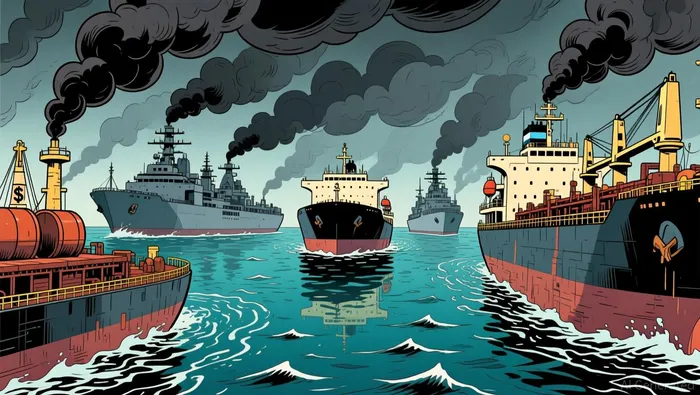
But the backdrop is still tight. Oil is still above $100 per barrel, and the supply squeeze has not disappeared. The IEA said more than 14 million bpd of supply cut is in place, with over a billion barrels of loss from Gulf producers. A diplomacy headline can move sentiment fast, but the market is unlikely to relax completely until traders believe the supply tap is actually reopening.
That tension is the opportunity. If the negotiation narrative holds, the premium can melt. If Hormuz re-flashes, the same market can snap back just as fast. Right now, the risk premium is under pressure, but the war bid is still very much alive.
Iran talks are gaining credibility, but Hormuz still controls the squeeze
Why bulls think the premium can come down
The deal narrative now looks more credible than simple wishful thinking. Trump said he had seen a draft agreement and that Iran is "getting a lot closer", while Tehran said positions had been converging in the past week. That does not mean a deal is done, but it is enough for traders to start questioning how durable the current Hormuz fear premium really is. Markets usually price expectations first and physical flows second.
That still falls short of a peace call. Both sides are being careful. Iran said nuclear weapons would not be part of any initial proposals, and Trump said he would only sign if the U.S. got what it wanted. The more measured bullish case is narrower: the market may de-rate the premium in stages as the negotiation narrative gains traction.
Why bears still control the short-run setup
The problem for bulls is that Hormuz is still being contested, not opened. Iran attacked U.S. Navy and commercial ships with cruise missiles, drones, and small boats, while only two U.S.-flagged merchant vessels made it through under escort. Iran also denied that commercial vessels or oil tankers had successfully passed. That is not free transit. It is a chokepoint that still has leverage.
The pressure valve is not opening yet. Washington has no plans to renew a waiver for Iranian petroleum, and Bessent said "there's no oil coming out". That keeps the short-run squeeze real. As long as the market is watching threats rather than throughput, bears can argue the premium should stay supported.
The signal that decides the trade
The key mechanism is straightforward:
- Diplomacy improves sentiment before physical flows change.
- Hormuz still decides whether that sentiment shift lasts.
That is why this setup matters now. The narrative is improving, but the physical unlock has not happened yet.
How to read the signal before the next catalyst
Treat this as a tactical setup, not a full "peace is here" call. Oil is still above $100 per barrel, and OPEC has already cut demand forecasts. That leaves limited upside from weak demand, while the more immediate opportunity is a faster melt in the Hormuz fear premium if the deal narrative keeps building.
What would confirm the de-escalation case
Lean constructive only if these developments build on each other, rather than showing up as isolated headlines:
- Continued statements that talks are moving from frameworks toward something more concrete.
- Fewer fresh Hormuz disruptions after each diplomatic step.
- Clearer signs that transit or sanction pressure is easing, not just that negotiations are ongoing.
If that sequence holds, each diplomatic step lands in an already softer demand backdrop and puts more pressure on the risk premium.
What would invalidate it
Back off quickly if the market gets fresh war fuel:
- New attacks or new claims that shipping through Hormuz is becoming harder.
- Hardening rhetoric that reverses the impression of progress.
- No real change in physical throughput even as headlines fade.
The narrative tell that matters most
The signal traders should respect is not simply "deal headline" versus "no deal headline". It is whether each new story about diplomatic progress actually mutes the next Hormuz scare. If sentiment shifts that way, price can rerate before flows do. If not, the recent move was mostly a short-lived sentiment spike.