

President Trump angrily rejected Iran's response to a US peace proposal Sunday, calling it "TOTALLY UNACCEPTABLE" in a Truth Social post on his Truth Social platform. The dismissal comes after Iran demanded the lifting of long-standing sanctions, an end to the US naval blockade, and guarantees against future attacks as reported by Tasnim news agency. The regime in Tehran also insisted the US pay compensation for war damages and demanded official recognition of Iranian control over the Strait of Hormuz-terms the global community has rejected according to Iranian state media.
The most provocative element: Iran's proposal called for a "new legal and security system" governing the Strait of Hormuz, effectively demanding that any vessel crossing the vital waterway coordinate with Tehran under its latest proposal. This directly challenges decades of free navigation rights that have underpinned global oil trade through the strait.
The market reacted immediately. The US dollar extended gains against other major currencies following Trump's rejection after his comments, a clear signal that traders are pricing in sustained regional tension. "Trump's rejection of Iran's latest peace plan sees the week beginning in a 'risk-off' mode," noted Jason Wong, a strategist at Bank of New Zealand in market commentary. The rejection reverses some of the price action seen last week and suggests the market expects the Hormuz risk premium to persist.
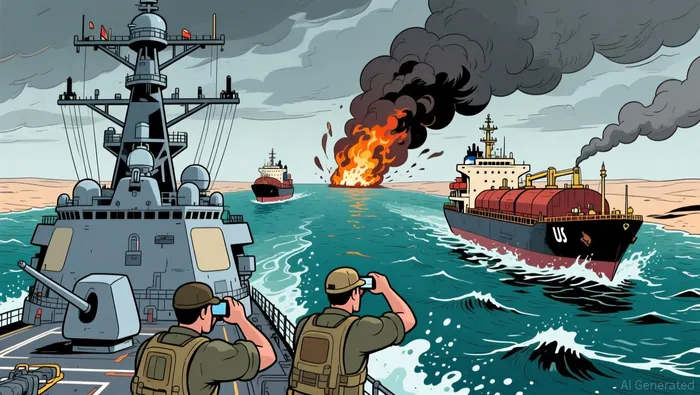
Market Exposure: What's at Risk if the Strait Closes
The market's risk-off reaction to Trump's rejection now faces a critical question: what happens if the Strait actually closes? The financial exposure is immediate and massive. Before the war, the Strait of Hormuz carried one-fifth of the world's oil supply-a critical chokepoint that, if blocked, would trigger an instant energy crisis.
The ceasefire remains conspicuously fragile. A Qatari natural gas tanker crossed the Strait on Sunday for the first time since hostilities began carrying liquefied natural gas to Pakistan, offering a brief moment of normalcy. But the same day, Kuwait detected several hostile drones in its airspace, underscoring that violations are ongoing and the truce is crumbling.
This isn't a short-term blip. A CIA assessment indicates Iran would not suffer severe economic pressure from a U.S. blockade-meaning Tehran could sustain a closure threat for months rather than folding after a weekend flare-up. Any disruption to Hormuz traffic would therefore carry the risk of persisting well beyond a brief market spike.
Compounding the danger, Israeli Prime Minister Benjamin Netanyahu declared the war is "not over because there's still nuclear material, enriched uranium, that has to be taken out of Iran." This signals continued military pressure on Iran's nuclear infrastructure, keeping the region on a war footing and raising the probability of miscalculation.
On the defensive side, Britain is deploying a warship to the Middle East alongside France to guarantee multinational transit. But this move carries its own risk: direct naval confrontation with IRGC assets. If a Western warship engages Iranian fast boats or drones, the conflict could escalate from a regional standoff to a broader naval war, further amplifying the oil shock.
The bottom line: markets are pricing in a risk premium, but a full closure would be a structural shock. Oil would spike beyond current levels, shipping routes would reroute around Africa adding weeks and massive cost, and insurance markets would seize up. The combination of a resilient Iran, ongoing Israeli strikes, and great-power naval posturing creates a recipe for sustained volatility-not a one-day headline.
The Setup: Risk/Reward and What Triggers the Next Move
The market now faces a classic event-driven setup: elevated risk premium with clear catalysts that will determine whether this escalates or resolves. For traders, the question is whether the current pricing reflects a realistic probability of Strait disruption-or whether a swift de-escalation could reverse gains within days.
Trump's posture signals he retains the option to escalate. He warned Iran against "playing games" after Tehran refused to discuss its nuclear program in the latest peace deal offer, accusing the regime of delaying for 47 years. Critically, he also confirmed the US still holds potential targets in Iran-meaning air strikes remain on the table if negotiations fully break down. That retention of military option keeps pressure on Tehran while giving markets a clear trigger to watch: any US air activity over Iranian territory in the next 72 hours would signal a rapid escalation.
Iran's demands, as outlined by the hardline Tasnim news agency close to the IRGC, make US acceptance unlikely. The proposal includes lifting of long-standing sanctions, an end to the US naval blockade, guarantees against further attacks, compensation for war damages, and official recognition of Iranian control over the Strait of Hormuz. The last demand directly challenges decades of free navigation rights that the global community has rejected. When a position is this maximalist, the probability of a quick deal collapses-and the market should price in that reality.
The watchpoints are straightforward. First, monitor for US air activity over Iran in the coming days. Second, track additional drone incidents in Kuwait or Saudi waters-Kuwait already detected several hostile drones in its airspace on Sunday, and more would signal the ceasefire is fully fracturing. Third, determine whether the Qatari tanker passage was a confidence-building one-off or the start of a pattern. If more vessels begin transiting normally, the risk premium may begin to unwind. If the passage remains a singular event, markets will treat the Strait as functionally compromised.
The oil math is stark. A full closure-even brief-could push crude $15-20 above current levels as the market prices in a structural supply shock. But if de-escalation arrives quickly, those gains could reverse within days. The CIA assessment that Iran could withstand a US blockade for months means Tehran has the resilience to sustain a crisis, while Netanyahu's declaration that the war is not over because enriched uranium still needs to be removed keeps military pressure high.
The tactical read: markets are positioned for elevated volatility, not necessarily a sustained closure. The risk/reward favors staying light on oil exposure until one of the watchpoints fires-then the direction becomes clear.