

The scale of the tariff's current cash flow is massive. U.S. customs authorities collected roughly $8 billion in Section 122 tariffs in March alone, a figure that underscores the program's immediate financial impact.
Yet the legal reality is sharply constrained. The court's recent ruling only explicitly blocks collection from the two specific companies and Washington state that sued. It does not halt payments from the more than 170,000 other importers who have paid deposits on millions of goods since February.
The administration is fighting to maintain the flow. It has asked the trade court to pause the ruling while appealing, arguing that allowing the decision to take effect would severely undermine its trade agenda. This request, pending before the Federal Circuit, is the key to whether the $8 billion monthly collection continues uninterrupted.
The Refund Liability: A Future Siphon of $166 Billion+
The legal precedent for massive refunds is now set. The Supreme Court's earlier ruling struck down the tariffs, and in his dissent, Justice Kavanaugh explicitly stated the federal government "may be required to refund billions of dollars to importers who paid the tariffs." This creates a clear liability for the Treasury.
The current court action is just the first phase. The ruling against the Section 122 tariffs calls for the administration to cease collecting from the plaintiffs and refund prior payments. Yet the broader refund process for all importers is expected to roll out in phases, creating a prolonged outflow.
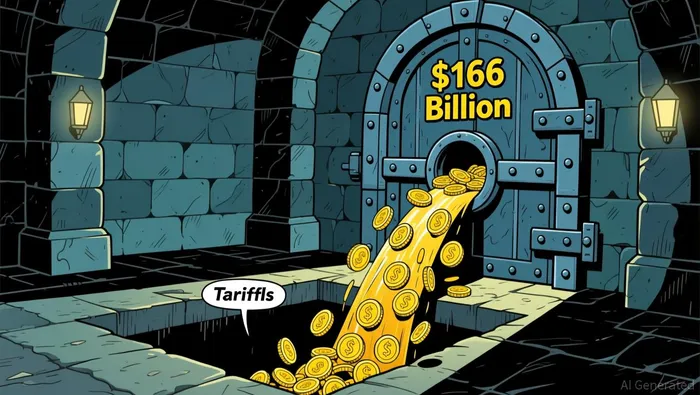
The critical figure is staggering. The Supreme Court's earlier decision suggested a liability of over $166 billion in tariffs paid since the program began. This isn't just a future government expense; it's a direct siphon from the $8 billion monthly collection that currently funds the administration's trade agenda.
Catalysts and Cash Flow Watchpoints
The immediate legal battle is set to move to the Federal Circuit. The administration is expected to file an appeal of the Court of International Trade's ruling, which will be the first major hurdle in its effort to preserve the tariff program. This appeal will determine whether the $8 billion monthly collection can continue for the vast majority of importers while the legal fight drags on.
A critical decision on the collection pause is pending. The Justice Department has already filed a request asking the trade court to stay its own ruling while the appeal proceeds. The court's rejection of this request means the administration must now seek an emergency stay from the Federal Circuit. The outcome of that request will directly decide if the Treasury's inflow of roughly $8 billion in Section 122 tariffs continues uninterrupted.
The path forward remains uncertain, with a potential Supreme Court review looming. The current ruling only applies to three plaintiffs, but the case could be appealed further. The administration has signaled it is prepared to make an emergency request to the Supreme Court if lower courts do not pause the decision. This creates a high-stakes legal timeline that will dictate the tariff's fate and the flow of billions in government revenue.