

White House officials are weighing a plan for President Trump to issue 250 pardons to mark the nation's semiquincentennial this summer, according to people familiar with the matter 250 pardons to mark the nation's semiquincentennial. The announcement could come on June 14-both Flag Day and Trump's 80th birthday-or on July 4 announcement could come on June 14 or July 4.
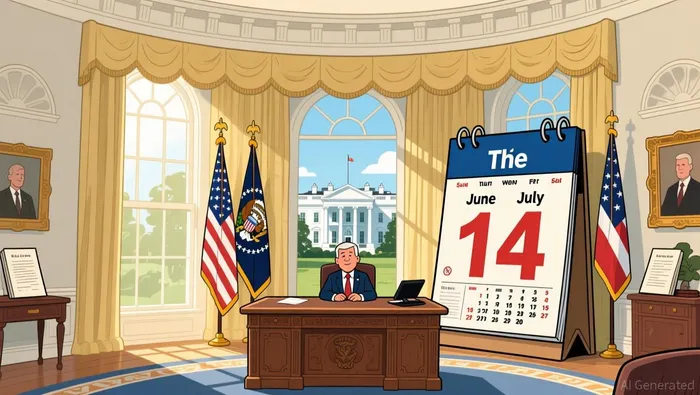
The proposal remains in preliminary discussions, with a White House official stating that no decisions have been made and no action taken no decisions have been made, nor has any action been taken. Trump would be the ultimate decider on any clemency-related actions.
This potential move would expand Trump's already historic use of the pardon power. On his first day back in office last year, Trump issued pardons to over 1,500 individuals convicted of crimes related to the January 6 insurrection over 1,500 of those involved in the storming of the Capitol. The vast majority of his other pardons have involved public fraud and white-collar crimes, including at least 11 former members of Congress and nearly 80 people involved in efforts to overturn election results 11 former members of Congress and nearly 80 people involved in election interference.
Some within the administration have raised concerns about issuing too many more pardons before the midterm elections this fall concerns about doing too many more pardons before the midterm elections. The White House has also been pursuing other semiquincentennial initiatives, including a National Garden of American Heroes with 250 life-size statues and various patriotic events National Garden of American Heroes with 250 life-size statues.
Political Risk Assessment: Midterm Fallout and Precedent
The White House is acutely aware that issuing 250 pardons so close to the midterm elections carries real electoral risk. Some officials have raised concerns about doing too many more pardons, or any at all, before the midterm elections this fall some in the White House have raised concerns. The timing is delicate-Republicans are already defending a narrow House majority, and another wave of controversial clemency grants could provide Democrats with fresh ammunition on corruption narratives.
The political backlash has already begun, and it's coming from both sides. Trump has faced criticism for issuing an historic number of pardons since returning to office, despite vowing to end what he described as the "politicization" of the Justice Department during his campaign Trump has already faced criticism. Yet the precedent argument cuts both ways-Biden set a recent example by pardoning his son Hunter and commuting nearly 2,500 sentences in his final days in office Biden raced to commute the sentences of nearly 2,500 inmates. That move angered Justice Department officials who thought he granted mercy to offenders with violent histories, demonstrating how expansive clemency use can provoke institutional pushback regardless of party.
What makes this particularly risky is how the pardon process has become commoditized. Trump's apparent willingness to grant pardons has drawn criticism from both sides of the aisle and encouraged some high-profile candidates to openly campaign to have their convictions or alleged crimes wiped away with a signature his apparent willingness to grant pardons has drawn criticism. When clemency becomes something candidates actively campaign for, it transforms from a constitutional check on judicial excess into a political commodity-exactly the kind of politicization Trump promised to end.
The mechanics are straightforward: each pardon issued before November creates a potential voter grievance. The 16,000+ formal pardon requests last year show the demand is already elevated a record number of pardon requests. Granting 250 more would signal that proximity to power-and the right political connections-determines who gets mercy, not rehabilitation or justice. That's a narrative Republicans don't need heading into midterm season.