

Walk into a UEI open house, and the first thing you notice is the welcome mat. The pitch is straightforward and designed to feel immediate: come see the campus, talk to the people who run it, and get a clear picture of how fast you can land a job. The event itself is the sales tool, a chance to kick the tires on a promise of a new career path that starts sooner rather than later.
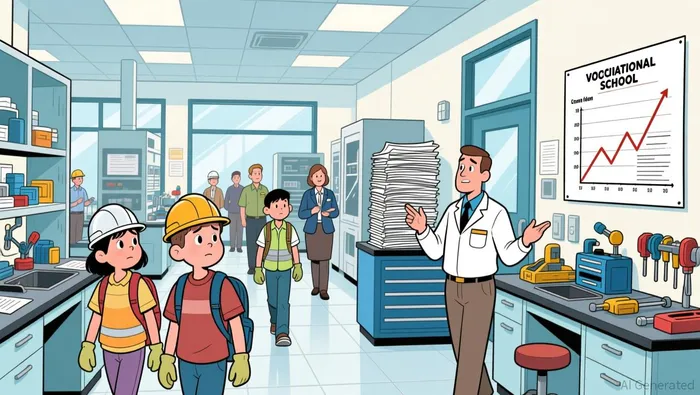
The core of the open house experience is a guided tour. You'll walk through the labs and classrooms, seeing the tools and equipment that are supposed to give you real-world skills. This is where the "hands-on training" claim gets its first test in the real world. You'll meet instructors and staff, who are described as "caring and committed" and "here for you every day." The goal is to build a personal connection and a sense of support, which is a key part of the pitch for someone considering a big life change.
Then comes the program menu. UEI pushes short-term training in healthcare and skilled trades-programs that can be completed in as few as 10 months. The list is specific: medical assistants, dental assistants, HVAC technicians, electricians, automotive techs. The emphasis is on speed and practicality. The enrollment model is built for urgency: classes can start as soon as May 28, 2026. This "ongoing enrollment" is a major selling point, promising you don't have to wait for a traditional academic calendar.
Finally, the promise of a job after graduation is front and center. The Career Services team is positioned as a partner, actively helping you find a potential employer. This is the ultimate carrot: the training is supposed to lead directly to a paycheck. The open house is the stage for this entire setup-a snapshot of a system designed to show you a clear, fast track from classroom to career.
The common-sense question is simple: does this polished open house tour match the reality of the training and the job market? The pitch is all about speed, support, and a direct pipeline to employment. The next step is to look past the welcome mat and see if the product itself-both the education and the promised outcomes-can deliver on that promise.
The Hard Numbers: What the Data Says About Outcomes
The open house promises a fast track to a job. The real-world math, however, tells a different story. Let's kick the tires on the welding program data, which is the clearest window into the actual outcomes.
The first red flag is the completion rate. Of the 160 students who began the program, only 76 graduated on time. That's a completion rate of just 47.8%. In other words, nearly half of those who started never finished. For a trade school selling a quick career switch, that's a major hurdle. The program costs $21,500, and the data shows 88% of enrolled students took federal loans to cover it. That's a heavy financial commitment for a credential that a significant portion of students never even earn.
Then comes the job placement number, which is the ultimate test. Of the 104 graduates available for employment, only 9 were employed in the field. That's a placement rate of just 8.65%. The average salary reported for those employed was a meager $35,001 to $40,000. This is a stark contrast to the promise of a direct pipeline to a paycheck. The numbers suggest the training may not be building the in-demand skills employers are looking for, or that the local job market for welders is more competitive than the pitch implies.
It's worth noting the variation in outcomes across programs. The pharmacy technician program, for example, had a placement rate of 30%, which is much better but still leaves a large cohort without a job. This inconsistency raises a question about the quality and consistency of the education across different campuses and programs. The evidence also notes that the data is not from the federal IPEDS system, which means it's self-reported by the institution. That adds another layer of scrutiny for the numbers.
The bottom line is that the hard numbers don't match the open house promise. You're being asked to invest tens of thousands of dollars and a year of your life for a credential that a majority of students never complete, and even fewer land a job in the field for. The high loan dependency means this is a risky bet for students who may already be stretched thin. For all the talk of "hands-on training" and "career services," the data shows a system where the odds are stacked against a successful outcome.
The Financial Reality: Debt, Default, and the Federal Lifeline
The open house promises a path to a paycheck. The financial reality, however, is a high-stakes gamble for both the student and the school. The core of that risk is debt. For the welding program, the numbers are stark: 86% of graduates took out federal student loans to cover the $21,500 cost. That's a direct financial stake for the school in their repayment success. The institution's financial aid team is positioned to help students navigate this, promising to work with them on scholarships, grants, loans, and payment plans to make education "accessible and affordable." But the accessibility comes with a condition: the student must eventually pay it back.
The school's own survival is now tied to this repayment. For nearly five years, a federal payment pause created a false zero default rate, shielding institutions from the rule that could cut them off from vital federal aid. That reprieve is over. With payments resuming, nonpayment rates have skyrocketed. The data shows a clear warning: over 1,000 colleges are at risk of losing federal funding if default rates climb. For UEI, with its high loan dependency and low placement rates, that risk is acute. The school's financial health depends on its graduates landing jobs and keeping their loans current.
This sets up a critical guardrail. The school's sustainability is directly threatened if its students default. That creates a powerful incentive to deliver on the job placement promise. Yet the evidence suggests the product may not be holding up its end of the bargain. When the odds of completing the program are less than 50% and the odds of landing a job in the field are just 8.65%, the path to repayment is narrow. The school's financial aid team can help students get in the door, but they can't guarantee the job that pays the loan.
The bottom line is a system under strain. Students are taking on significant debt for a credential with uncertain value. The school is exposed to federal funding rules that could be triggered by the very default risk created by its own outcomes. The common-sense math here is simple: high loan dependency plus high default risk equals a critical vulnerability for the school's business model. The open house sells a promise; the financial reality is a shared bet on a future that looks increasingly uncertain.
Catalysts and Risks: What to Watch for the Thesis
The investment case for UEI hinges on whether its open house promises hold up under real-world pressure. Three key catalysts and risks will confirm or challenge that thesis in the coming months.
The primary catalyst is the return of student loan payments. With the federal payment pause over, the school's access to the lifeline of federal funding is now directly threatened. The data is clear: over 1,000 colleges are at risk of losing federal funding if default rates climb. For UEI, with its high loan dependency and low placement rates, this is a looming deadline. The school's financial health depends on its graduates landing jobs and keeping their loans current. If repayment rates plummet, the rule that could cut off federal aid will be triggered, directly impacting the school's ability to enroll new students. This isn't a distant policy change; it's a near-term financial shock that will test the model's sustainability.
A key risk is the glaring gap between the school's promise of "hands-on training" and the real-world employment outcomes. The welding program data is the most telling example. Despite the promise of lab simulations and externships, the 8.65% placement rate for graduates is abysmal. This isn't just a bad year; it's a fundamental mismatch between the product and the market. The school sells a fast track to a paycheck, but the data shows a pipeline clogged with students who never finish and even fewer who land a job in the field. This outcome gap undermines the entire value proposition and fuels the default risk. If the product doesn't deliver, the financial model collapses.
Finally, monitor whether the open house events translate into sustained enrollment growth. The open house is the fundamental revenue driver, designed to convert interest into signed-up students. The school's marketing emphasizes touring the campus and meeting staff to get answers. The question is whether these events can drive the ongoing enrollment it needs to cover its costs. Given the high default risk and poor outcomes, prospective students may become more skeptical. If enrollment growth stalls or reverses, it will signal that the open house pitch is losing its power, making it harder for the school to fund its operations and repay its own debts.
The bottom line is a setup where three pressures converge. The return of loan payments creates a financial deadline. The poor job outcomes challenge the product's credibility. And the need for constant enrollment to fund that product is now under greater scrutiny. For the thesis to hold, UEI must navigate this storm by improving outcomes and proving its model can deliver on the promises made at the open house. If it can't, the risks will likely overwhelm the catalyst