

When Energy Secretary Chris Wright says the Strait of Hormuz is "not safe for ships to transit", he's not describing a condition. He's announcing a tactic.
The interesting question isn't whether the Strait is safe. It's what "unsafe" accomplishes as a negotiating tool. Wright made the statement while defending what he called "pressure tactics" in U.S.-Iran negotiations Strait of Hormuz 'Not Safe for Ships to Transit. At the same time, the U.S. is reportedly planning to board and seize Tehran-linked oil tankers across the globe and has blockaded Iranian ports Strait of Hormuz blockade hurts Iran's economy.
This isn't observation. It's participation.
Look at the shipping rates. Very large crude carriers from the Middle East to China now cost $423,736 per day-an all-time high Global oil and gas shipping costs surge. Container shipping rates jumped 25% on transatlantic routes this week as carriers imposed emergency bunker surcharges Container freight rates surge as fuel costs. The disruption is real. But it's also being amplified.
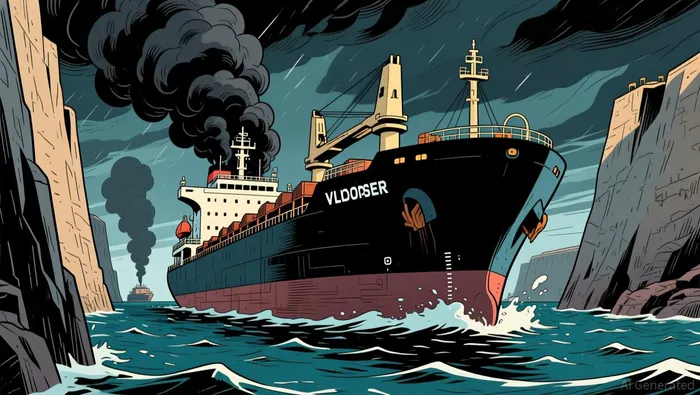
Iran plays the same game. After declaring the Strait open during a ceasefire, Iran's military returned it "to its previous state" with "strict control" and attacked multiple commercial ships Ships in Strait of Hormuz Turn Back as 2 Are Said to Be Hit. At least 14 vessels have been attacked since the conflict began in February. Both sides point to the other's actions as making the Strait unsafe while contributing to that unsafety themselves.
I suspect we're watching a negotiation where market disruption is the leverage. When Wright says the Strait isn't safe, he's not just reporting. He's reminding everyone-shippers, traders, allies-what's at stake. The statement itself becomes part of the pressure.
The U.S. Navy is "not ready" to escort oil tankers through the Strait, Wright said last month, though he suggested it could happen by month's end Energy Secretary says U.S. 'not ready' to escort oil tankers. The capability exists. The timing is the message.
Most people think of safety as a binary condition: safe or unsafe. But in negotiations, safety can be a dial. You can turn it up or down. Both sides here are turning it down while pointing at the other's hand on the dial.
The test is simple: watch what happens to shipping rates and oil prices when statements like Wright's are made. If they spike, the tactic works-at least in the short term. The longer-term question is whether creating this kind of economic weapon becomes too costly for the side wielding it.
Brent crude touched $100 per barrel earlier this month and West Texas Intermediate trades around $85.81, up 2.6% today. Each dollar higher is both a problem and, for someone, leverage.
When someone tells you something is unsafe, ask what they gain by saying so. Sometimes they're warning you. Sometimes they're warning you about what they might do next.