

The timeline for a potential Fed chair change accelerated sharply this week. On Tuesday, the Senate confirmed Kevin Warsh as a new governor by a 51-45 vote, the first step in a process that would make him the next Fed chair. Senators immediately began voting to limit debate on his chair nomination, setting the stage for a final vote this week, just two days before current Chair Jerome Powell's term expires.
The immediate market impact was a clear pullback. Despite Warsh's public statements affirming the Fed's independence from political pressure, crypto markets pulled back Tuesday as his confirmation hearing and concerns over stalled Iran talks weighed on sentiment. Bitcoin slipped from near $77,000 to trade around $75,700, a drop of about 0.9% over the session. Broader crypto stocks fell more sharply, with Coinbase down over 6% and Circle plunging 8.3%.
This price action highlights a key tension. Warsh's testimony, where he denied any pressure from Trump on rate decisions, was meant to reassure markets about policy continuity. Yet the selloff shows that the mere prospect of a new chair, combined with geopolitical uncertainty, can trigger risk-off behavior. The data confirms that liquidity flows in crypto are sensitive to central bank transition news, regardless of the nominee's stated independence.
The Substance of the Crypto Holdings
Warsh's financial disclosure reveals a portfolio deeply embedded in the crypto ecosystem. He holds equity positions in over a dozen blockchain and digital asset companies, including major names like Solana and Polymarket. These investments span DeFi protocols, Layer 1 and Layer 2 networks, Bitcoin infrastructure, and crypto financial services, concentrated through venture fund structures.
The scale of his overall wealth is substantial, with combined assets with his wife at least $192 million. However, the specific size of his crypto holdings remains unclear, as most are reported in opaque fund vehicles valued at less than $1,000 each. He has pledged to divest the majority of these positions, but the process for illiquid venture stakes is complex and may take time.
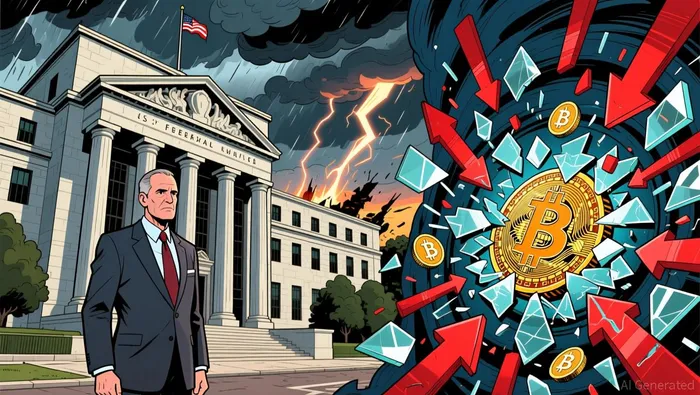
This creates a clear conflict of interest. Federal ethics rules mandate a one-year cooling-off period for matters directly affecting his recent financial interests. As Fed Chair, he would oversee critical crypto policy areas like stablecoin regulation and bank custody guidance, where his disclosed portfolio could be directly impacted. The recusal requirements will be a persistent constraint on his ability to participate in these decisions.
Catalysts and Risks for Crypto Policy
As chair, Warsh will directly oversee the most consequential crypto policy decisions. His role will include shaping the regulatory framework for bank crypto custody policies and stablecoin regulation, areas where his disclosed investments create a clear conflict. The Federal Reserve also has a leading role in the development of central bank digital currency (CBDC) policy, another domain where his personal portfolio could be affected. This dual mandate-regulating the sector he's invested in-will be a persistent source of scrutiny and constraint.
His prior reputation as an "inflation hawk" suggests a cautious approach to risk assets. While he has recently aligned with Trump's calls for lower rates, his historical stance indicates he may be less inclined to treat crypto as a low-risk, high-return asset class. This could influence the Fed's broader stance on digital assets, potentially leading to more conservative guidance on their use in financial institutions and a slower path toward regulatory clarity.
The key watchpoint is whether his confirmed independence from political pressure translates into a consistent, rules-based regulatory framework. The market's reaction to his testimony showed that any perceived political alignment can trigger volatility. For crypto, the risk is a policy environment that is either too restrictive, stifling innovation, or too permissive, inviting systemic risk. The Fed's credibility on this issue will be tested from day one.