

As markets open for the pivotal week of May 11, 2026, investors are bracing for a historic confluence of macroeconomic shifts, geopolitical negotiations, and blockbuster equity debuts. With inflation data on the docket, a monumental transition at the Federal Reserve, a highly anticipated U.S.-China diplomatic summit, and the largest tech initial public offering of the year, volatility and opportunity are poised to walk hand in hand. Institutional desks and retail investors alike are aggressively re-evaluating their portfolios ahead of a week that could redefine the trajectory of the global economy for the remainder of the year.
Geopolitics Center Stage: The Trump-Xi Summit
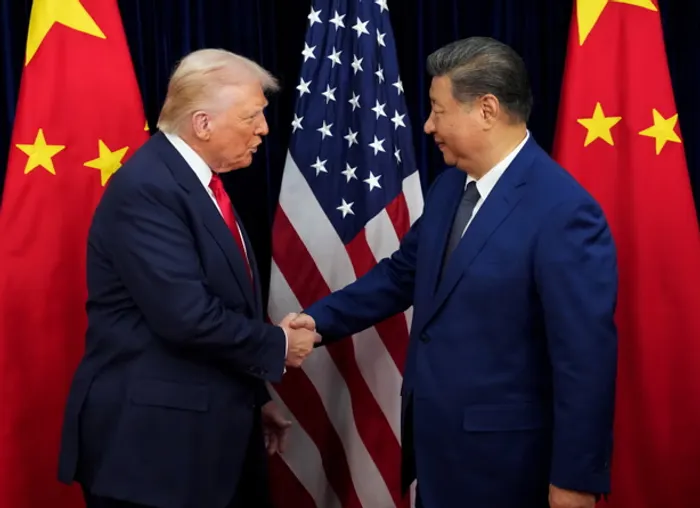
The most closely watched geopolitical event of the year kicks off on Wednesday, as U.S. President Donald Trump arrives in Beijing for a high-stakes, two-day summit with Chinese President Xi Jinping. Marking Trump's first visit to China since 2017, the Trump-Xi summit carries enormous weight for global trade, supply chains, and the broader technology sector.
Following years of complex tariff structures and heightened technological rivalry, the agenda is packed with contentious issues, including semiconductor export controls, critical rare earth minerals, and the ongoing tensions surrounding Taiwan. The tech industry, heavily reliant on a stable U.S.-China relationship, is watching closely. Underscoring the massive corporate stakes, Nvidia CEO Jensen Huang recently made headlines by claiming he would "tag along" to the Beijing summit if invited, aiming to ensure that the AI hardware ecosystem remains unfragmented by new trade barriers. The outcome of these discussions will likely send immediate ripples through global equity markets and the semiconductor index.
A Historic Changing of the Guard at the Federal Reserve
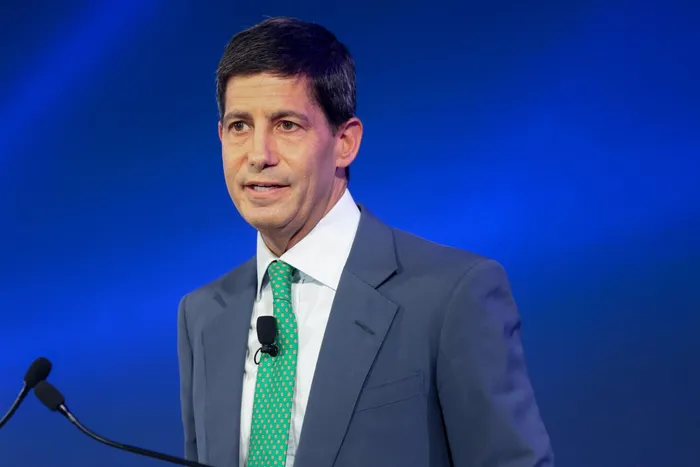
Monetary policy is facing a watershed moment. This week marks the official end of Jerome Powell's tenure as the Chair of the Federal Reserve on May 15. As Powell prepares to exit the stage, the U.S. Senate will begin the cloture process voting for Kevin Warsh, the nominee to become the 17th Chair of the Federal Reserve.
Warsh, a former Fed official and vocal critic of the central bank's handling of the 2022 inflation spike, narrowly cleared the Senate Banking Committee on a 13-11 party-line vote late last month. His confirmation process is being heavily scrutinized by bond markets, as traders attempt to price in his historically hawkish views on inflation against the political pressure from the White House to maintain favorable borrowing costs. As the cloture vote proceeds on the Senate floor, fixed-income markets will be highly sensitive to any rhetoric regarding Warsh's intended policy direction and how quickly he might pivot the Fed's current balance sheet strategies.
Macro Catalysts: April CPI Data and the 13F Deluge
Complicating the Federal Reserve transition is the upcoming release of the April Consumer Price Index (CPI). Inflation has remained a persistent headwind for equity rallies, and the April print will be the first major data point the incoming Fed administration will have to digest. Analysts are eager to see if the recent energy price spikes—driven largely by conflict in the Middle East—have trickled down into core goods and services. A hotter-than-expected CPI could complicate Warsh's initial months in office and trigger a swift repricing of rate-cut expectations.
Simultaneously, the mid-May deadline brings a deluge of 13F filings to the SEC. These mandatory quarterly reports will unveil the Q1 portfolio maneuvers of the world's largest hedge funds and institutional asset managers. Given the aggressive sector rotations seen earlier this year, Wall Street is eager to see how "smart money" positioned itself ahead of the tech sector's latest earnings season and the recent geopolitical escalations. Expect localized stock volatility as the public dissects the buying and selling habits of institutional whales.
Progress in the Middle East: U.S.-Iran Peace Talks
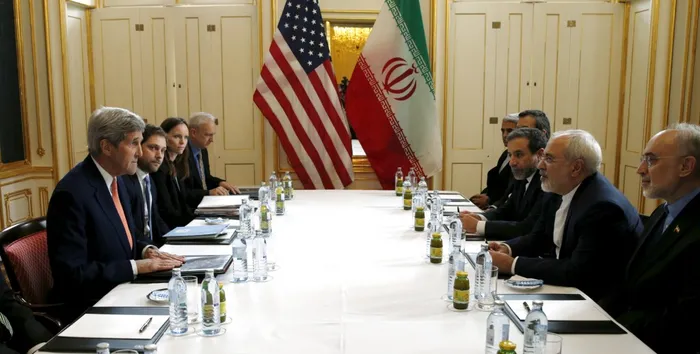
Energy markets are keeping a hopeful but cautious eye on Islamabad, Pakistan, which is currently serving as the diplomatic hub for ongoing U.S.-Iran peace talks. Following the severe escalation of U.S. and Israeli military strikes against Iranian infrastructure earlier this year, a temporary ceasefire was brokered in April.
Negotiators are now working against the clock to convert that fragile truce into a permanent settlement. The talks are focused heavily on securing the unimpeded reopening of the Strait of Hormuz—a vital artery for global oil flows—and establishing strict, verifiable constraints on Iran's nuclear and ballistic missile programs. Progress has been painstakingly slow. Recent reports indicate that while some ground has been made on maritime security, the nuclear enrichment parameters remain a sticking point. Any breakthrough announced this week would likely trigger a massive relief rally in equities and a sharp pullback in crude oil futures, whereas a breakdown in talks could send Brent crude surging once again.
Equities Milestone: The Cerebras IPO
On the corporate front, the artificial intelligence boom is about to test the public markets in a massive way. Cerebras Systems, a prominent AI chipmaker and direct competitor to Nvidia in the inference processing space, is set to price its highly anticipated IPO on May 13.
Driven by insatiable institutional demand and backed by a mammoth computing power deal with OpenAI, Cerebras is dramatically revising its IPO terms upward. Sources indicate the company has raised its price range to $150–$160 per share, up from the initial $115–$125 band, and increased its share offering to 30 million. Set to raise an estimated $4.8 billion at the top of the range, the Cerebras IPO will officially be the biggest public market debut of the year, holding the crown just ahead of the anticipated SpaceX IPO slated for later in 2026. Retail and institutional appetite for AI infrastructure plays remains ferocious, and the Cerebras debut will serve as the ultimate barometer for whether the AI hardware trade still has room to run.
Conclusion
From the halls of Beijing to the trading floors of Wall Street, the week of May 11, 2026, offers a defining test for global markets. Investors must navigate the crosscurrents of delicate diplomatic maneuvering, the final days of the Powell Fed, crucial inflation data, and the high-stakes pricing of a landmark tech IPO. With so many macroeconomic and geopolitical variables in motion, agility, rigorous risk management, and a close reading of the tape will be essential for capitalizing on the volatility ahead.