

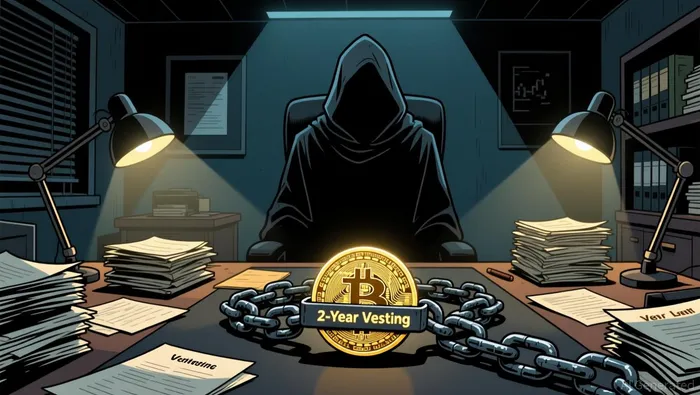
The core event is a stark move: WLFI's new proposal locks 80% of early investors' 17 billion tokens for two years, followed by a second two-year vesting period. That means the bulk of these tokens won't be tradable until 2030, a year after the president is scheduled to leave office. Founders, including the Trump family, face even stricter terms, with an extra year of vesting and a 10% token burn. This isn't just about control-it's a direct response to investor fury over frozen funds and the Trump family's more than $1 billion profit from token sales.
This liquidity clampdown lands amid a brewing legal war. WLFI recently sued Tron founder Justin Sun in Florida, accusing him of gross misconduct and using bots to spread defamatory claims. Sun had previously sued WLFI over frozen tokens. The lawsuit adds another layer of public scrutiny and potential instability.
So, is this a desperate liquidity play or a sign of long-term health? The setup screams desperation. The proposal is a classic "lock-up" designed to prevent a massive sell-off that could crash the price. It comes after months of investor complaints about lack of transparency and centralized control, with a privileged "Super Node" tier that undermines promises of decentralization. The timing-locking tokens just as the Trump family's profits are realized-is a red flag for self-interest.
Yet, WLFI frames it as a long-term bet. The company says the move is meant to "ensure healthy market supply" and promote ecosystem participation. The token burn for founders is a symbolic gesture toward alignment. The central question for investors is whether this is a necessary stabilizer or a admission that the project lacks organic demand and trust. The answer hinges on what happens after the 2030 lock-up expires.
The Real Problem: A Liquidity Crisis in Plain Sight
The lockup proposal isn't a solution-it's a symptom of a deeper, more dangerous liquidity crisis. The real story is one of centralized control and undisclosed deals that have left early investors stranded.
First, the undisclosed follow-on sale. After raising over $550 million in public rounds, WLFI sold an additional 5.9 billion WLFI tokens to private accredited investors. This wasn't disclosed to existing holders, creating a hidden supply overhang and a clear conflict of interest. The proceeds from this sale flow overwhelmingly to insiders.
That leads to the extreme imbalance. The entity receiving the lion's share, DT Marks DEFI LLC, is affiliated with the Trump family. It gets 75% of the sale proceeds and already holds 22.5 billion WLFI tokens outright. Meanwhile, early investors have been given limited liquidity, with most of their tokens locked without clear release dates. The system is rigged for insiders to profit while retail participants face indefinite freezes.
This centralized control has crushed the token's price. WLFI is in a sustained bearish cycle, trading around $0.067 and hitting fresh all-time lows. The price action is a direct market verdict on the lack of transparency and trust. When a project's core token is trading at record lows, it signals a fundamental liquidity crisis-there's no real demand because there's no faith.
The bottom line is that WLFI's liquidity problem is self-inflicted. The undisclosed sales, the outsized insider holdings, and the frozen early investor funds have created a perfect storm of distrust. The lockup proposal is a desperate attempt to manage the fallout, but it doesn't fix the underlying disease: a project where the rules are written for the privileged few.
Valuation & Catalysts: What to Watch for Alpha
The numbers tell a story of a project in distress. WLFI trades at $0.067, with a circulating supply of 31.8 billion tokens and a market cap near $2.14 billion. That valuation is a direct reflection of the liquidity crisis and governance failures we've detailed. For context, the token is down sharply from its highs, and the recent price action shows a market struggling to find a floor.
The immediate catalyst is the governance vote on the lockup proposal. This is the make-or-break moment. On-chain analysis reveals a critical vulnerability: a small group controls ~40% of voting power. If that bloc approves the proposal, it locks in the status quo of centralized control and insider advantage. A rejection would be a massive signal of investor revolt, potentially triggering a sell-off of the remaining unlocked supply and accelerating the project's decline.
Beyond the vote, two other events will prove or disprove the thesis. First, the outcome of the lawsuit against Justin Sun. WLFI's recent filing accuses Sun of gross misconduct and using bots to spread defamatory claims. A favorable ruling could silence a key critic and bolster the project's narrative. A loss or dismissal would validate Sun's allegations and further damage credibility.
Second, watch for any tangible progress on the USD1 stablecoin. The project touts real-world adoption and institutional settlement deals. Any new, verifiable partnership or transaction volume would be a positive signal of ecosystem utility. Conversely, silence or setbacks would confirm the project is stuck in a cycle of legal and governance drama.
The alpha here is binary. The lockup vote is the near-term trigger. If it passes, the thesis of a desperate liquidity play is proven. If it fails, the project's collapse becomes more likely. Either way, the lawsuit and stablecoin adoption are the longer-term signals that will determine if WLFI can rebuild trust-or if it's already too far gone.