

- U.K.-based Wren Kitchens filed for Chapter 7 bankruptcy liquidation on April 24, 2026, abruptly closing all 15 U.S. showrooms and terminating its partnership with Home Depot.
- The company reported assets between $100 million and $500 million as it exited the American market to focus on its core, double-digit growing U.K. business.
- The sudden shutdown has left hundreds of employees without statutory WARN Act notice and customers with significant unrecovered deposits for custom kitchen orders.
- Home Depot confirmed it had no prior notice of the closure and is currently assessing the operational impact on affected customers.
- The collapse underscores the severe pressure on home improvement retailers caused by a housing slump and cautious consumer spending in 2026.
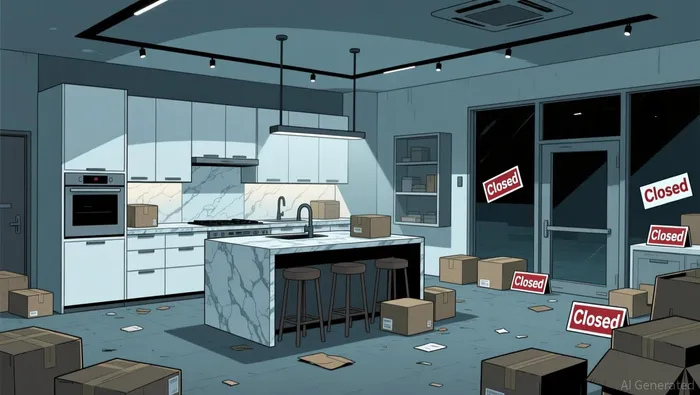
U.K.-based kitchen retailer Wren Kitchens has officially exited the United States, filing for Chapter 7 bankruptcy liquidation in Delaware on April 24, 2026. The abrupt cessation of operations saw the company immediately shut down its 15 brick-and-mortar retail locations and in-store design studios, including its strategic partnership showrooms located inside Home Depot branches across the East Coast. The sudden closure has left both customers and employees scrambling, triggering legal scrutiny and raising questions about corporate governance in cross-border retail partnerships.
What Happened With Wren Kitchens Chapter 7 Bankruptcy?
Wren US Holdings Inc., the parent entity responsible for the American operations, submitted the Chapter 7 filing to the U.S. Bankruptcy Court for the District of Delaware, listing assets valued between $100 million and $500 million. The filing marks a complete and immediate withdrawal from the U.S. market, with all physical locations ceasing operations overnight. The company's American website now displays a notice informing visitors that its showrooms and studios are closed, directing any remaining inquiries to a limited online support form.
The operational shutdown was executed without advance warning to key business partners. Home Depot, which had launched Wren Kitchen Studios within its locations in 2024, confirmed it received no prior notice of the closure and is currently evaluating the impact on customers who may have placed orders through these in-store studios. The lack of transparency in the exit strategy has raised eyebrows among industry observers, particularly as the liquidation process begins immediately following the bankruptcy filing.
Why Did Wren Kitchens Pull Out Of The U.S. Market?
The decision to liquidate its U.S. assets stems from a combination of structural headwinds in the home improvement sector and a strategic pivot by the U.K. parent company. In its recently released 2025 financial results, Wren reported a 30% year-over-year decline in U.S. turnover, dropping from £23.2 million in 2024 to £16.2 million in 2025. While the American business accounted for only about 4% of the group's overall revenue, its future growth relied heavily on expanding its retail footprint, which the company ultimately failed to achieve.
Wren stated that it made the difficult decision to withdraw from the U.S. to focus investment on accelerating its core U.K. business, which is currently experiencing double-digit growth. The company noted that despite its best efforts, it could not reach agreeable terms necessary for further U.S. retail expansion. This strategic retreat highlights the immense challenges foreign retailers face in the American home improvement landscape, where fierce competition and a prolonged housing slump have made market penetration increasingly difficult.
The broader economic environment has placed severe pressure on home improvement retailers. Industry leader Home Depot recently reported a 3.8% sales decline in its fourth quarter of 2025, driven by consumer reluctance to spend in an uncertain economic climate. Smaller competitors and partners, such as Wren Kitchens, have not survived this shift, with the ongoing housing slump leaving retailers with excess inventory and shrinking customer bases.
What Is The Impact On Customers And Employees?
The abrupt nature of the shutdown has created significant financial and legal complications for those affected by the closure. Customers who had made advance payments for custom kitchen designs are now left seeking refunds, with many having spent tens of thousands of dollars on orders that will never be fulfilled. Because the company has ceased all operations, affected individuals are advised to contact their banks or credit card providers to initiate chargeback disputes or seek reversals for check and ACH transactions. Documentation of all communications and order confirmations is critical for potential creditor claims during the bankruptcy process.
Employees also faced immediate and severe disruption. Staff were informed of the nationwide closure via a Zoom call on April 23, 2026, one day before the official shutdown. Reports indicate that employees were told to hang up on customers and leave work immediately, receiving final paychecks but no severance packages or continued benefits. The lack of advance warning has triggered potential legal challenges, with a proposed class action complaint alleging violations of the Worker Adjustment and Retraining Notification (WARN) Act, which requires employers to provide at least 60 days' notice before mass layoffs.
Former employees gathered in Luzerne County, Pennsylvania, to protest the sudden layoffs, citing the lack of statutory notice and the abrupt termination of their positions. The backlash underscores the operational risks associated with foreign entities managing U.S. operations, particularly regarding labor compliance and stakeholder management. The company's failure to provide the required notification has sparked anger among workers and legal authorities alike, potentially impacting the liquidation process.
How The Collapse Affects The Home Improvement Sector
The collapse of Wren Kitchens serves as a stark reminder of the fragility of retail partnerships in the current economic climate. While major players like Home Depot continue to navigate sales declines, smaller partners and niche retailers are finding it increasingly difficult to maintain viability. The termination of the Wren-Home Depot partnership eliminates a potential revenue stream for Home Depot stores that hosted the studios, while leaving customers without a clear path to resolution for their pending projects.
For investors and stakeholders in the home improvement sector, the event highlights the risks associated with consumer spending shifts and housing market dynamics. As housing demand slows and consumers become more cautious with large discretionary purchases, retailers that rely on custom, high-ticket items are particularly vulnerable. The liquidation of Wren's U.S. operations suggests that even established international brands may struggle to adapt to the structural changes in the American housing and renovation market.
As the Chapter 7 liquidation proceeds, all assets of Wren US Holdings Inc. will be sold to pay off creditors. Customers and employees with outstanding claims will need to navigate the bankruptcy court system to seek any potential recovery. The event stands as a cautionary tale for the broader retail industry, illustrating how quickly financial distress can lead to total operational collapse when market conditions turn unfavorable.