

The market is trading at a critical juncture. As of May 13, 2026, WTI crude futures were down 0.59% to $101.57 per barrel. This follows a three-session rally that pushed prices to around $102 earlier in the week, a move driven by persistent fears over Middle East supply. The core conflict now is a clash of massive forces: a severe supply shock versus a weakening demand outlook.
The supply side is defined by a staggering scale of disruption. Saudi Aramco's CEO has warned the market is losing about 100 million barrels of oil supply each week. This figure represents a massive, sustained outflow from global markets, directly supporting higher prices by tightening physical availability. The mechanism is clear: the near-closure of the Strait of Hormuz, with both US and Iranian forces restricting passage, is the direct cause of this weekly shock.
This physical supply loss faces a powerful headwind from the macroeconomic picture. While the evidence doesn't detail a specific slowdown, the broader context is one of surging energy prices adding to price pressures and a fragile geopolitical ceasefire. This environment typically signals economic strain, which historically dampens demand for oil. The market is thus caught between two opposing "Big Numbers": a weekly supply shock of 100 million barrels, and the dampening effect of a global economy under pressure from those same high energy costs.
The Demand Flow: A Slowdown in the Pipeline
The demand side is showing clear signs of strain. In April, US inflation accelerated more than anticipated, with surging energy prices linked to the Middle East crisis adding to price pressures. This creates a direct negative feedback loop: high oil prices feed inflation, which in turn pressures consumer spending and economic growth, ultimately dampening the long-term demand for crude.
This macroeconomic headwind is compounded by persistent trade and technology disputes. The upcoming Trump-Xi summit in Beijing is not expected to resolve these underlying issues. The agenda is crowded, and US officials have stated they do not want the Iranian oil dispute to dominate, signaling that core trade and tech conflicts will remain unresolved. This ongoing friction acts as a structural drag on global industrial activity and energy consumption.
The bottom line is a weakening demand pipeline. While the physical supply shock of 100 million barrels per week is a powerful price support, it is now facing a counter-force of economic pressure from those same high prices and unresolved geopolitical friction. This sets up a market where price action will be a battle between these two massive, opposing flows.
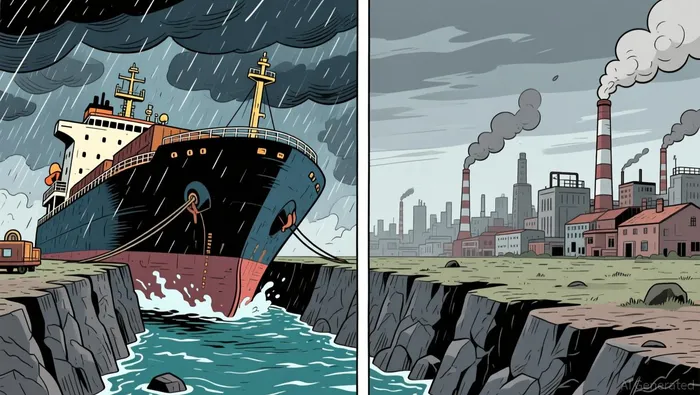
The Catalyst Watch: Supply vs. Policy
The immediate flow catalyst is a supply shock in the making. The unresolved Iran conflict and the continued near-closure of the Strait of Hormuz represent a persistent, weekly disruption of about 100 million barrels. This physical chokepoint remains a direct threat to further price spikes, as any escalation in restrictions could tighten markets beyond current levels.
Policy flow is mixed. On one hand, US focus appears to be shifting. President Trump has indicated that trade negotiations will take precedence over the Iran conflict at the upcoming Trump-Xi summit in Beijing. This suggests a potential de-escalation in rhetoric, which could ease some geopolitical risk premiums. On the other hand, the US stance on Iranian oil remains firm, with officials stating that countries buying from Iran contribute to terrorism and that secondary sanctions risks will be discussed. This creates a tension between a desire for broader stability and a hard line on oil flows.
The key metrics to monitor are institutional positioning signals. Watch WTI open interest and volume for signs of large traders adjusting hedges ahead of the summit and the next OPEC meeting. A surge in open interest could signal anticipation of volatility, while volume patterns can reveal whether flows are building toward or away from the current price. These numbers will show if the market is pricing in de-escalation or bracing for more supply disruption.