

Ripple's stablecoin thesis is big, but XRP price still has not confirmed it
Ripple's stablecoin narrative is getting larger, yet XRP's chart still has not caught up. Monica Long's projected $76 billion annualized B2B payments run rate points to meaningful scale, but that does not automatically translate into token demand unless XRP sits in the liquidity path. In mid-May 2026, XRP was still trading near $1.42, which makes this more of a demand-flow problem than a simple patience test.
Why the disconnect matters
This is not just another "adoption is coming" story. The market already has bullish headlines: Ripple has reportedly closed around 10 major institutional deals in 2026, and seven spot XRP ETFs are now live. Those are meaningful wins, but they have not yet produced a clean price response. That gap is the core setup.
If XRP stays outside the actual payment flow, those milestones will likely keep lifting Ripple the company more than XRP the token. If the market starts pricing sustained token demand instead of partnership headlines alone, the repricing could accelerate quickly.
XRP's bullish case now rests on access, not just future utility
The bullish case is no longer only about future utility. It is also about access.
ETF launches have widened the institutional route
The clean institutional path into XRP has broadened significantly. The wave of spot XRP ETF launches widened access beyond OTC desks and private placements, allowing capital to move through standard brokerage wrappers.
The early numbers also suggest this is more than ceremonial demand. Three spot XRP ETFs have gathered more than $1.9 billion in AUM in less than a month, with combined average daily volume above $410 million. That is a liquidity profile that can matter to portfolio managers, not only traders.
That does not settle the whole thesis. ETF access shows the demand plumbing is improving; it does not prove every part of Ripple's payments story is already flowing through XRP.
Regulated access is the first hurdle cleared
This development matters because it removes one of the biggest friction points for institutional capital. If 2026 brings more stablecoins moving from pilot phases into full-scale production, then the next question for XRP is straightforward: can it prove a functional role inside that expanding settlement flow?
The bear case: Ripple can win even if XRP still lags
Stablecoin rails could scale without lifting the token
Bears are not arguing that Ripple's ecosystem is weak. Their point is sharper: if stablecoins become fully embedded in global finance by 2026 and B2B payments are the real growth engine, then adoption can grow through stablecoin rails while XRP remains largely incidental.
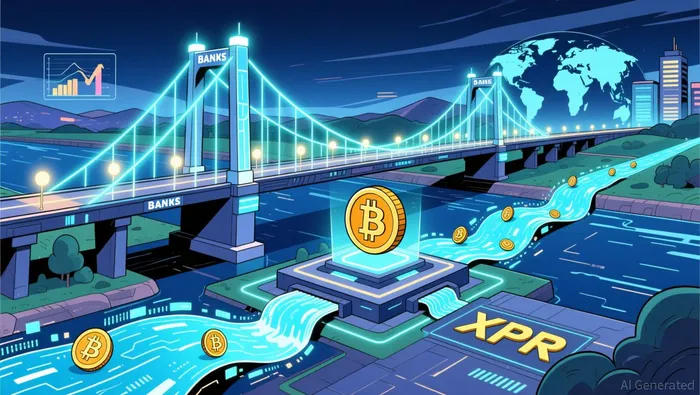
That is the risk holders need to respect. A larger Ripple network does not automatically mean proportionate demand for XRP.
Strong adoption headlines still need price confirmation
XRP has already shown that bullish headlines and weak price action can coexist. The market has seen strong institutional inflows alongside a multi-month trading range. That combination suggests adoption is real, but price confirmation is still missing.
In practical terms, ecosystem growth can strengthen the platform story before it strengthens the token.
What would change the setup from here
For bulls, the next proof point is price action. A decisive move through the resistance area near $1.45 would suggest buyers are starting to pay for XRP-specific demand rather than simply absorbing another Ripple headline.
For bears, the key level is lower. If XRP slips below the support area near $1.40, the thesis weakens materially. That would imply investors still view Ripple as a payments winner, but not yet as a token that must sit at the center of the new settlement flow.