

Tracy Skeans' departure looks orderly, not abrupt
Tracy Skeans is stepping down after more than 25 years with Yum, but this is not an abrupt exit: she will move into an advisory position and stay in her current role until late this year to support the transition. David Gibbs has also said he plans to retire in the next year, with his exit expected in the first quarter of 2026. That gives the board time to manage the handoff rather than react under pressure.
A double departure naturally raises succession concerns. But the better read here is that Yum is still in control of the timeline, and the company has nearly 61,000 restaurants in 155 countries and territories to fall back on while the transition plays out.
Yum's latest quarter still shows real operating momentum
Leadership changes matter, but the more immediate test is the business. In the latest quarter, Yum reported adjusted EPS of $1.50 versus $1.38 expected, revenue of $2.06 billion versus $2.04 billion expected, and net income of $432 million versus $253 million a year earlier EPS, revenue, and net income beat the prior year and consensus. For a franchise-heavy restaurant company, that is a clean sign that the operating engine is still working.
Taco Bell remains the clearest growth driver
The standout number was Taco Bell, where Taco Bell same-store sales increased 8%. That matters because it points to genuine consumer demand rather than a narrow accounting or mix benefit. As recent reporting has framed it, Taco Bell is still doing much of the heavy lifting for the portfolio.
This was not just a sales bump. system sales grew 6%, units grew 5%, and there were 1,030 gross new units in the quarter. That combination suggests the model is still scaling without relying solely on existing stores to carry growth.
Why the leadership shuffle matters less than it looks
Skeans helped shape the move to a pure-play franchisor model and was instrumental in building Yum's operational excellence, culture, and long-term growth framework. She also helped guide the company through the pandemic and the Habit Burger integration. That makes this less about the loss of one executive and more about whether Yum's operating playbook can survive the handoff.
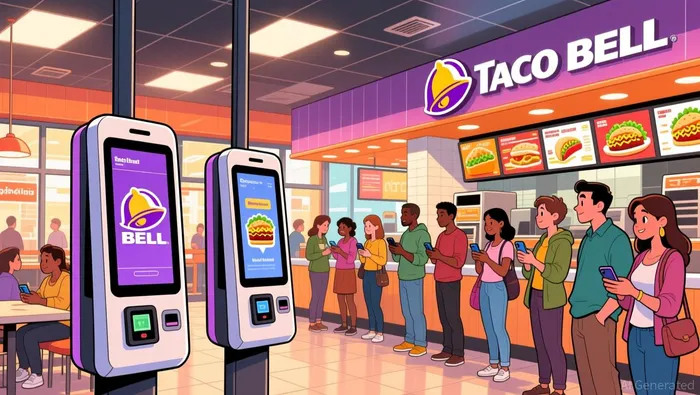
The same point shows up in the broader system: record digital mix of 63% shows the brands still have a durable operating edge in ordering, payment, and pickup convenience. That kind of infrastructure matters more than short-term headlines around the org chart.
What would change the story from here
The core bull case is straightforward: if the brands keep performing, this leadership change should look manageable rather than disruptive. The main things to watch over the next few quarters are:
- whether Taco Bell maintains its sales momentum
- whether system sales and unit growth remain positive
- whether day-to-day responsibilities once held by Skeans are being absorbed cleanly
- whether the Pizza Hut strategic review starts to distract management
If those signals hold, this looks more like a planned change of guard than a break in Yum's growth story.