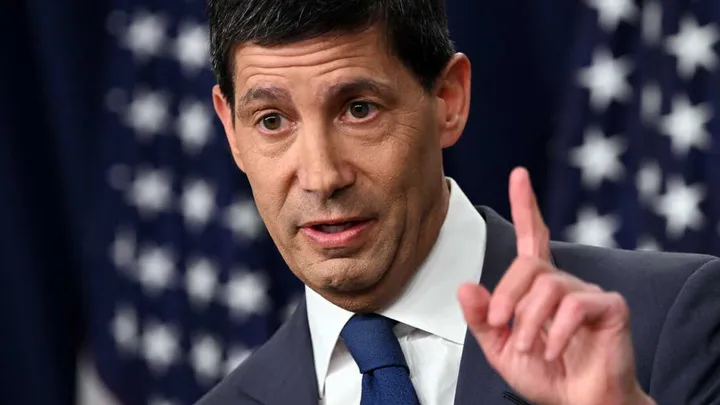
Warsh Plays Tough at Jackson Hole as Fed Still Has "Work to Do" With Inflation Well Above Target
Published Aug 28, 20264 min read

Crypto market researcher and content strategist with 3 years of experience in digital asset analysis and market commentary. Skilled at transforming complex blockchain data and trading signals into clear, actionable insights for investors. Experienced in covering Bitcoin, Ethereum, and emerging ecosystems including DeFi, Layer2, and AI-related projects. Passionate about bridging professional market research with accessible storytelling to empower readers and investors in the fast-evolving crypto landscape.


Jefferies downgraded Apple to Underperform, citing the cancellation of the all-glass iPhone and raising concerns about the company's ability to sustain premium pricing and margin growth.
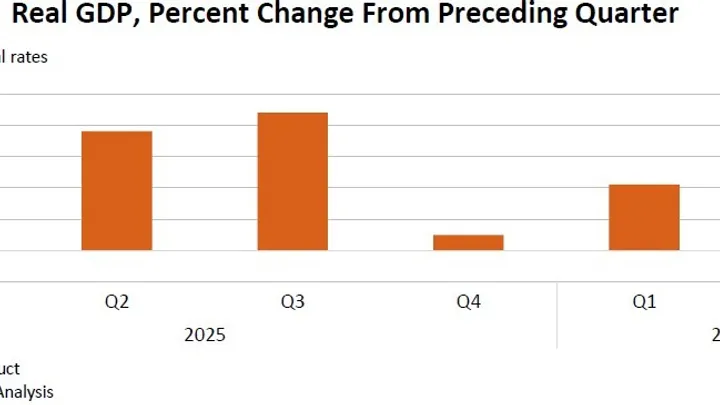
US GDP growth missed estimates at 1.5 percent while the Fed's preferred inflation gauge cooled, complicating the central bank's policy path amid persistent price pressures.

China begins mass producing domestic DUV lithography machines, triggering a sharp sell-off in chip stocks and challenging Western equipment dominance.
DeepSeek founder Liang Wenfeng reveals that strategic restraint and open-source commitment drive AGI progress, challenging Silicon Valley's capital-intensive AI dominance.
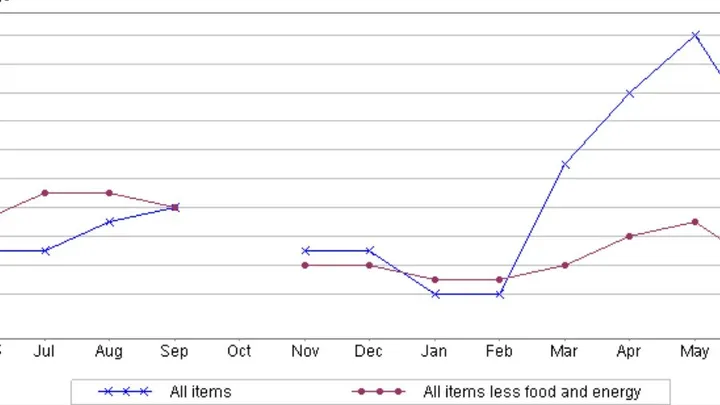
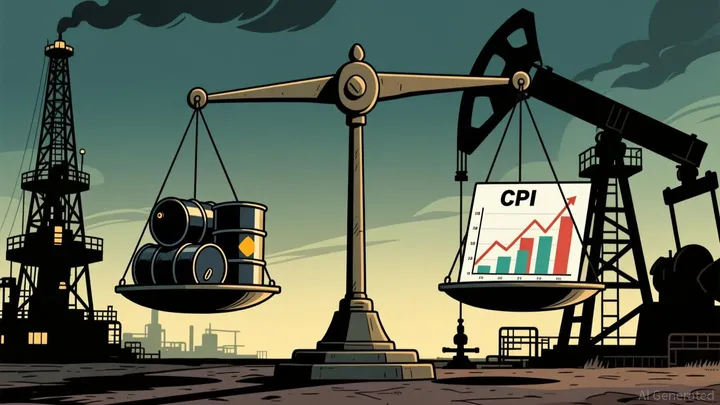
June US CPI fell sharply below expectations as energy prices eased, yet renewed Iran tensions threaten to reignite oil-driven inflation and complicate Federal Reserve policy.
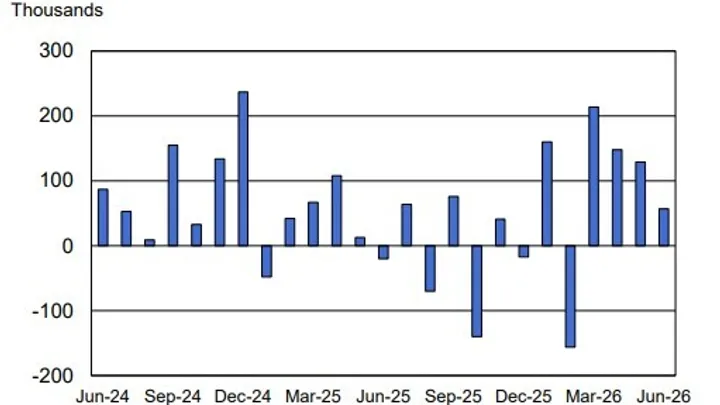
June payrolls missed forecasts sharply, yet steady wage growth and low unemployment complicate bets on a Federal Reserve rate pause.